

A closer look at how we priced 4528 NE 54th Street, identified the right buyer pool, and turned an as-is Laurelhurst opportunity into a fast, successful sale.
Some homes are easy to price on paper. Find a few comparable sales, make adjustments for size and condition, and a fairly clear range begins to emerge.
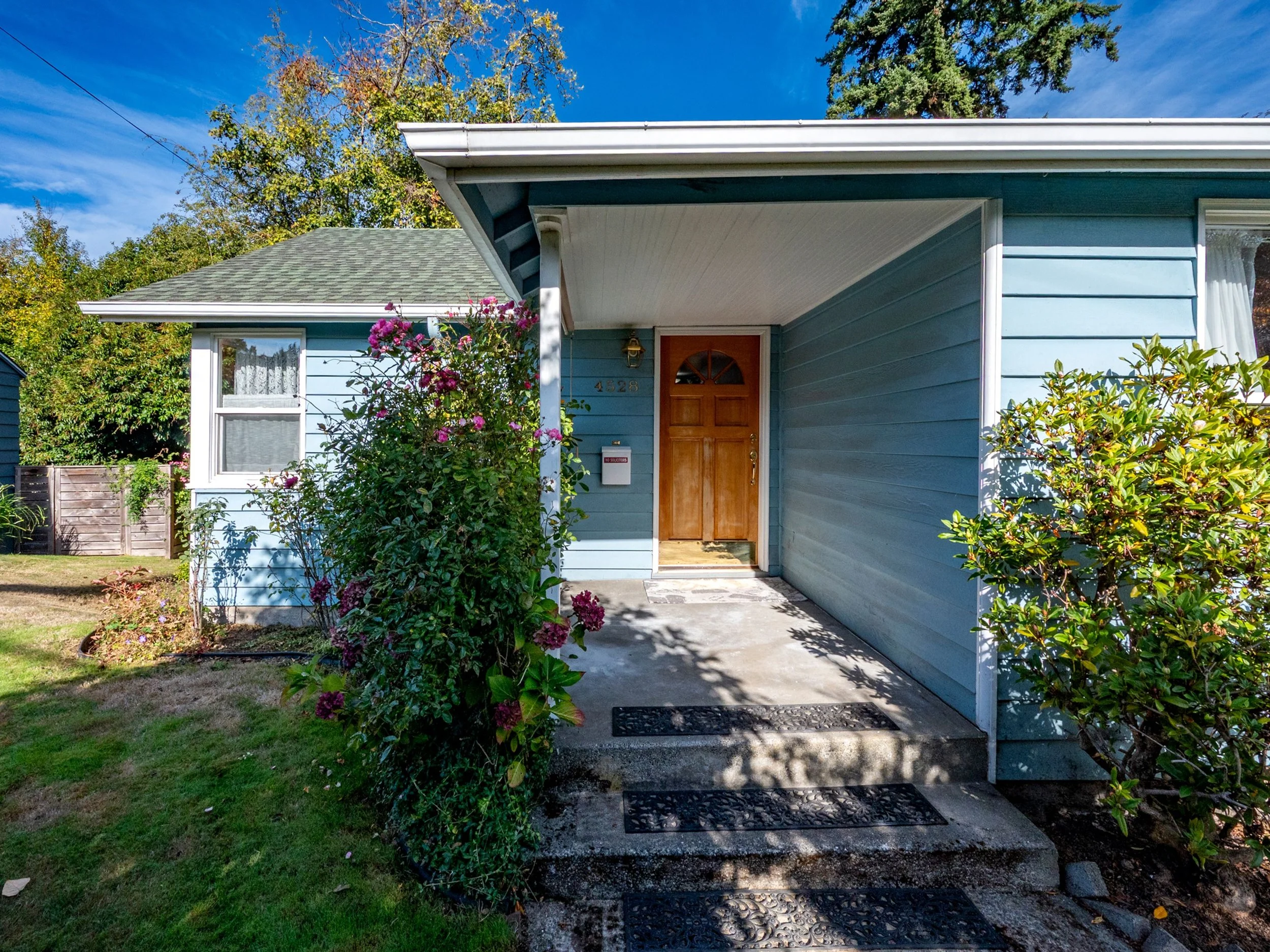
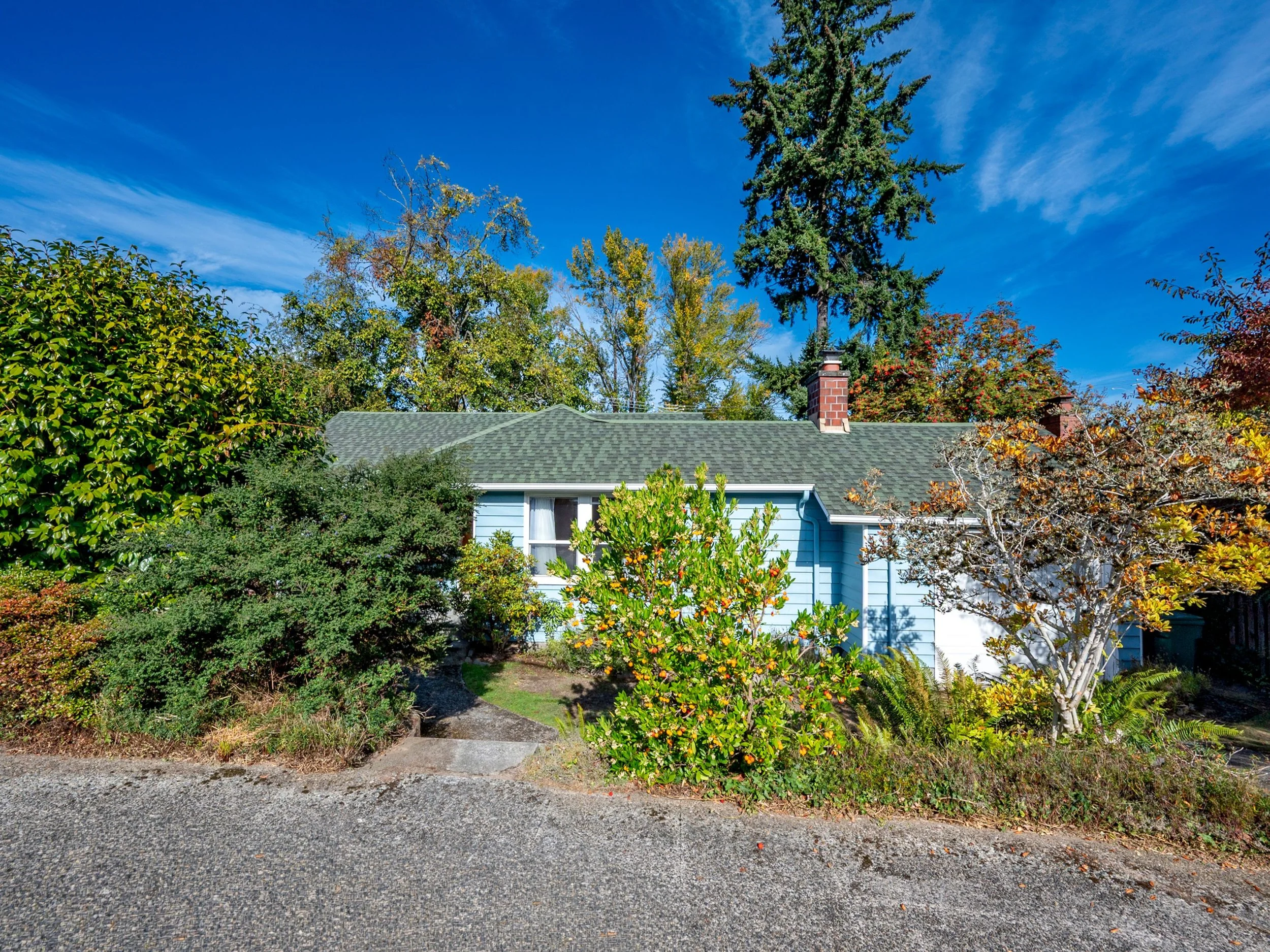
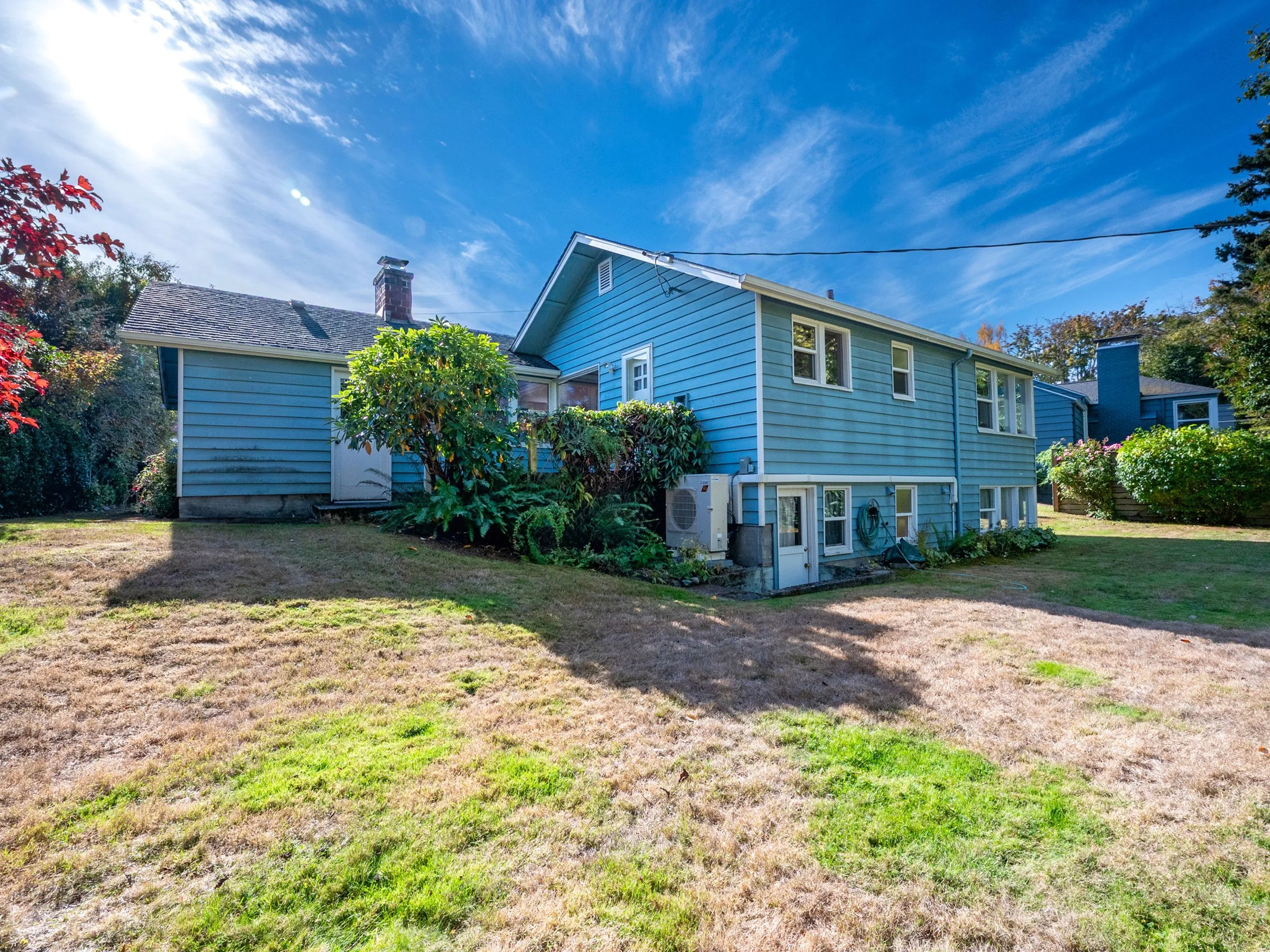
4528 NE 54th Street Required a Different Kind of Thinking
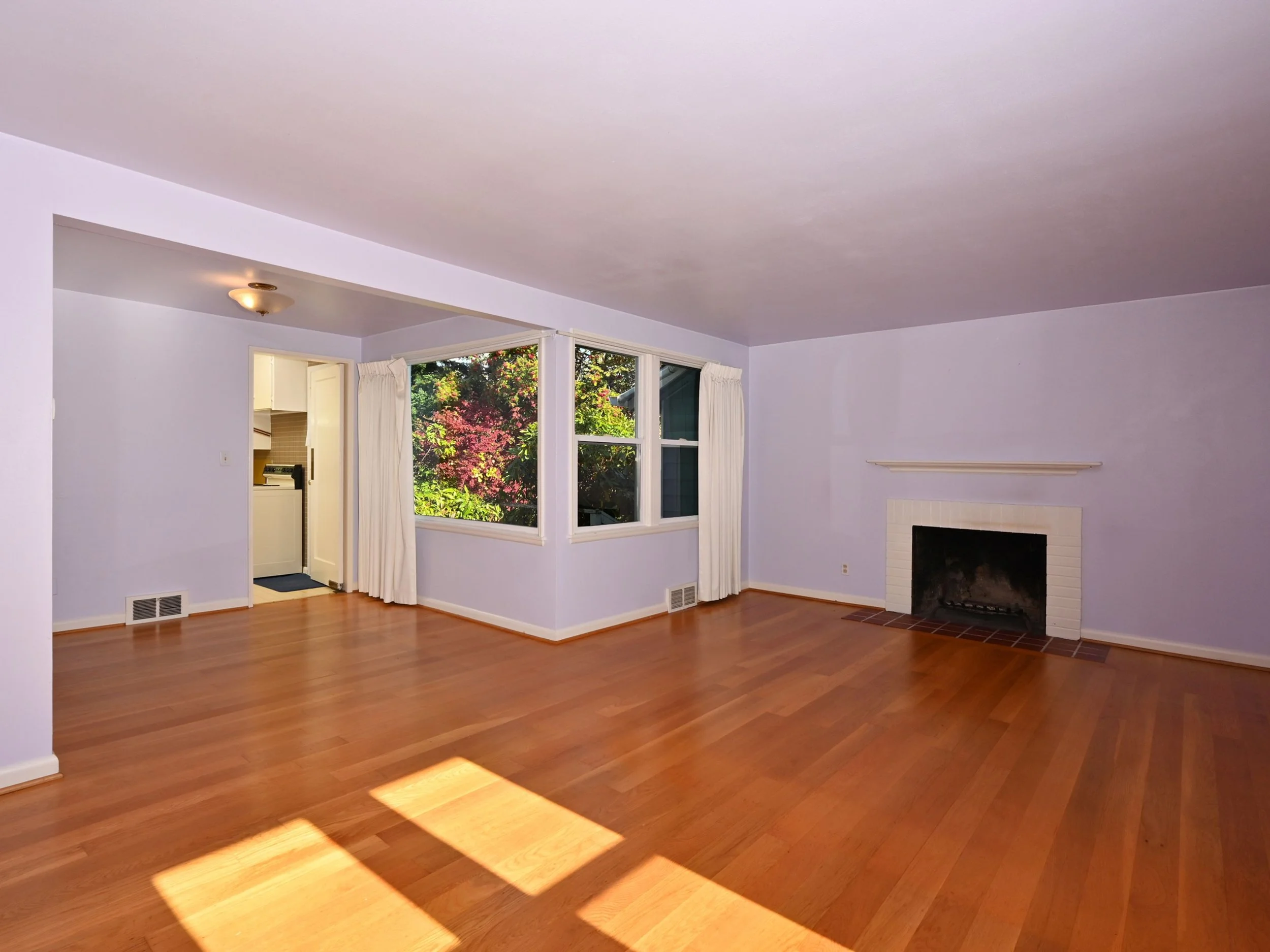
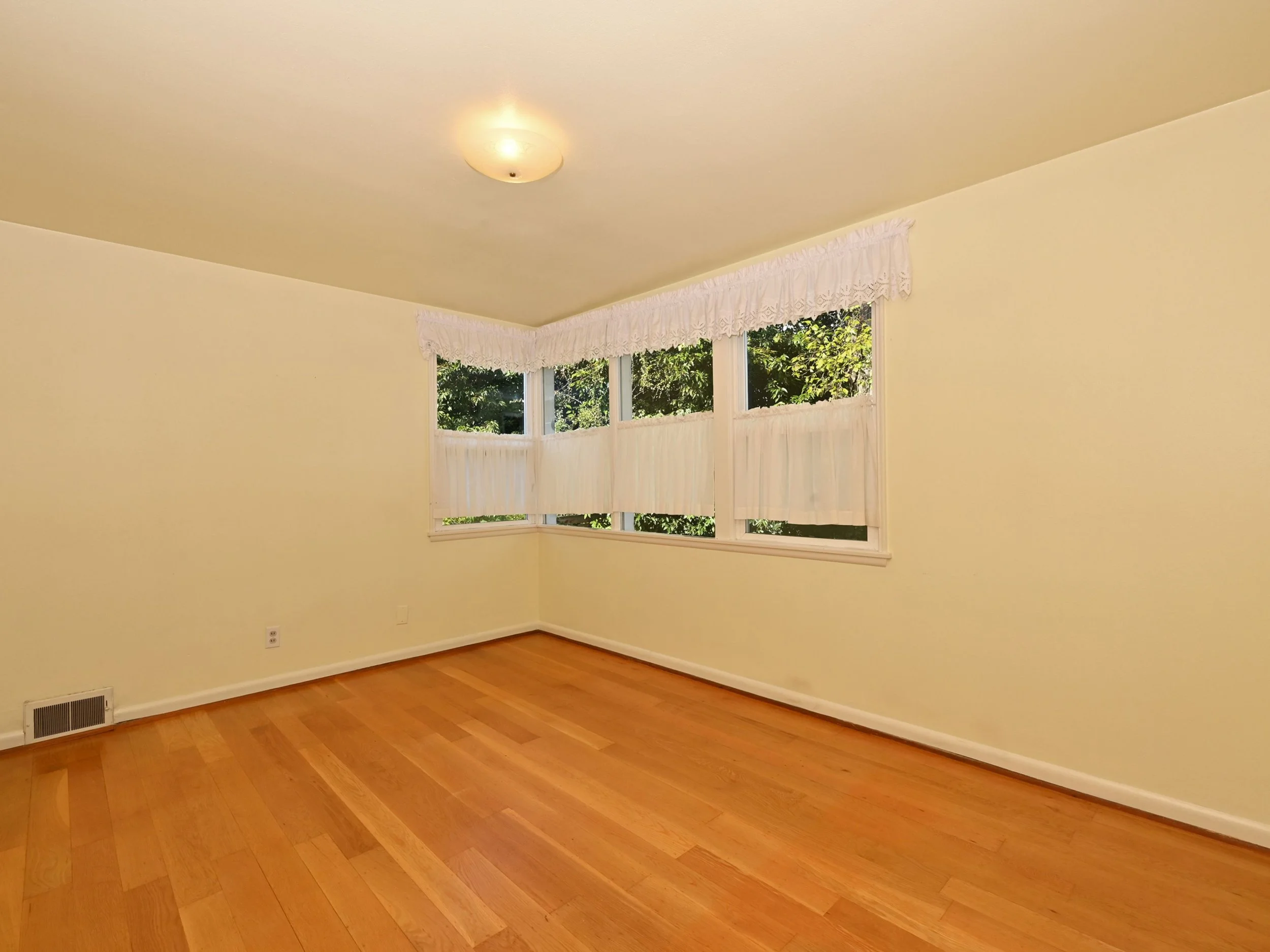
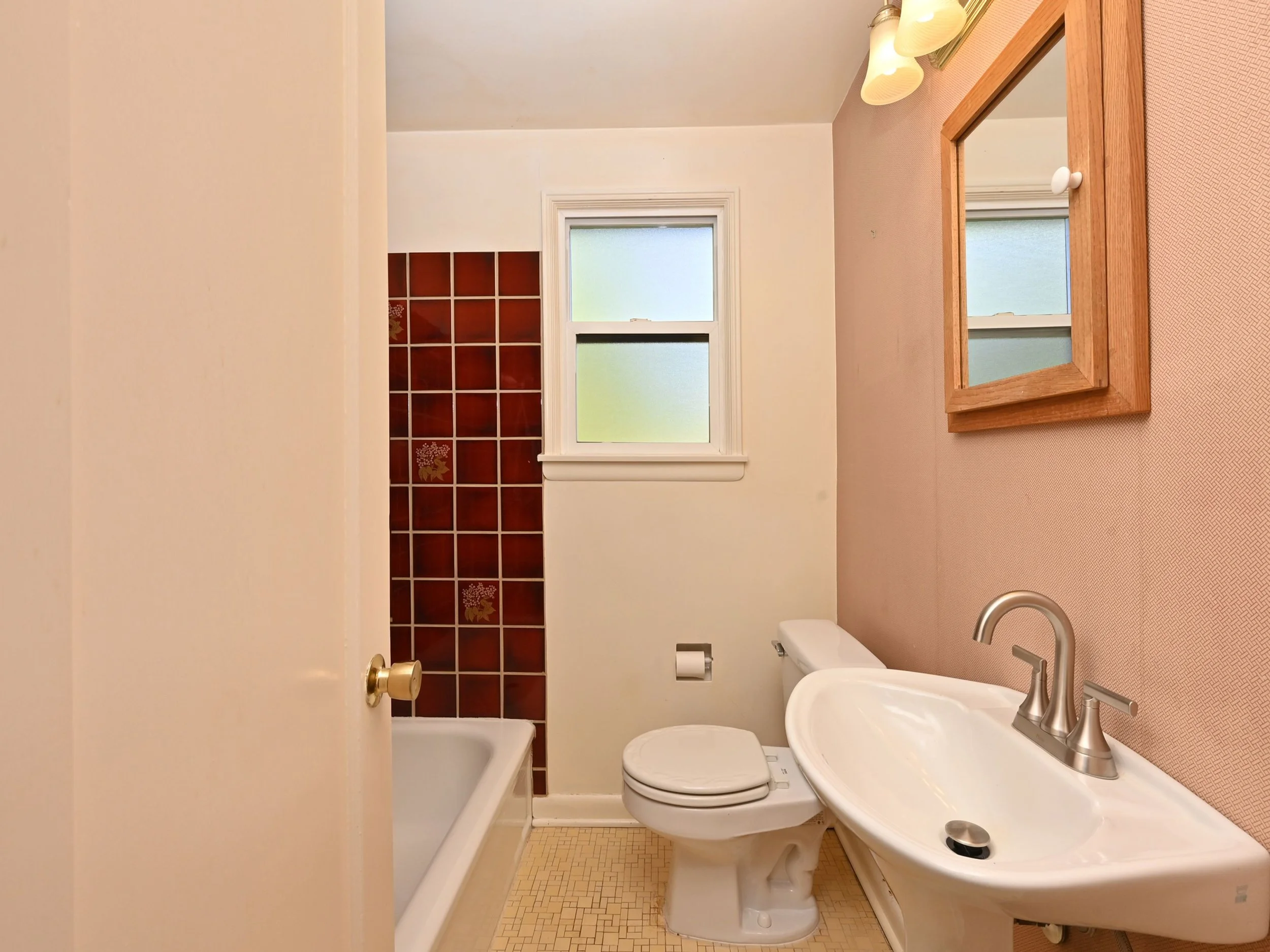
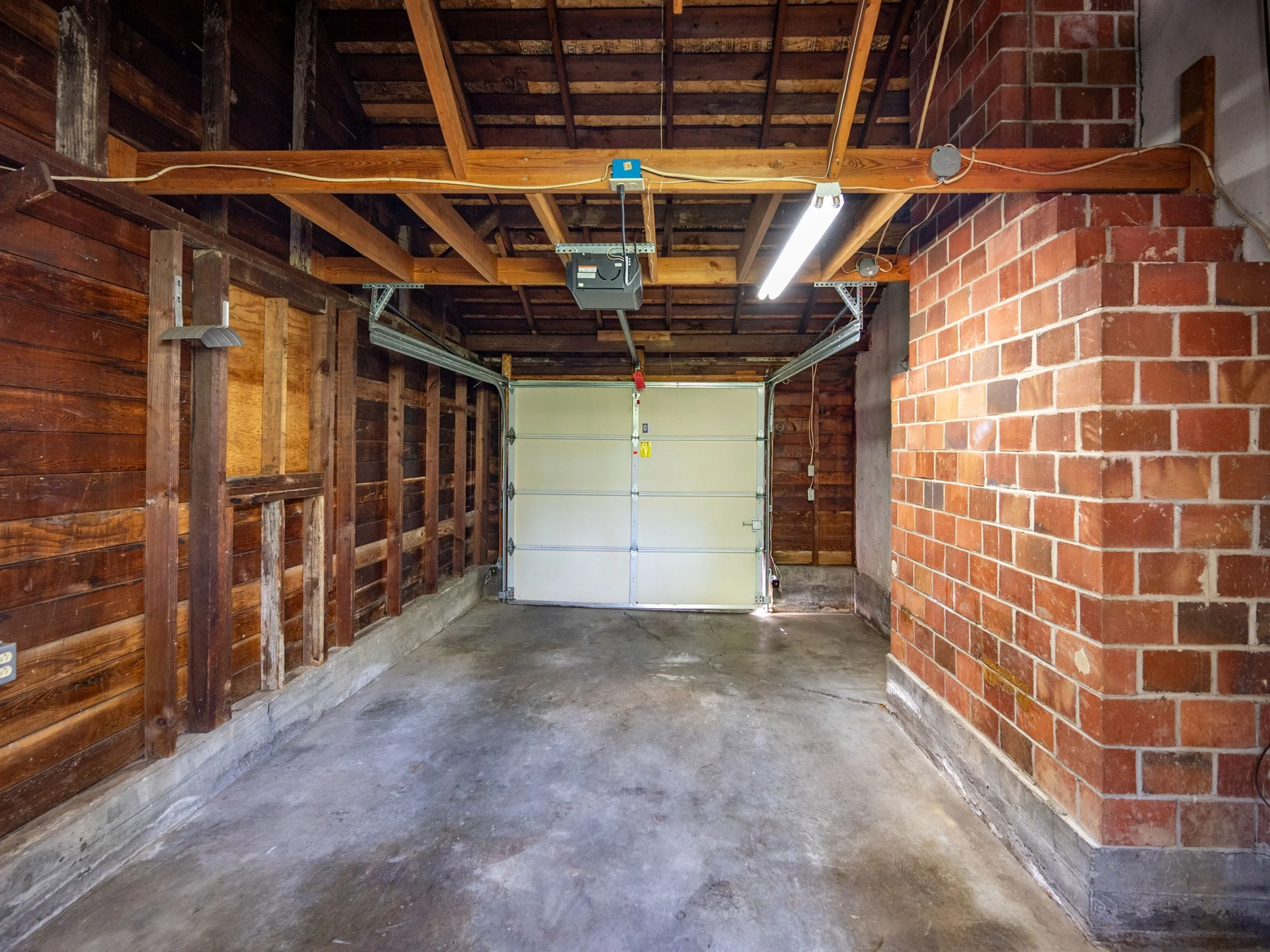
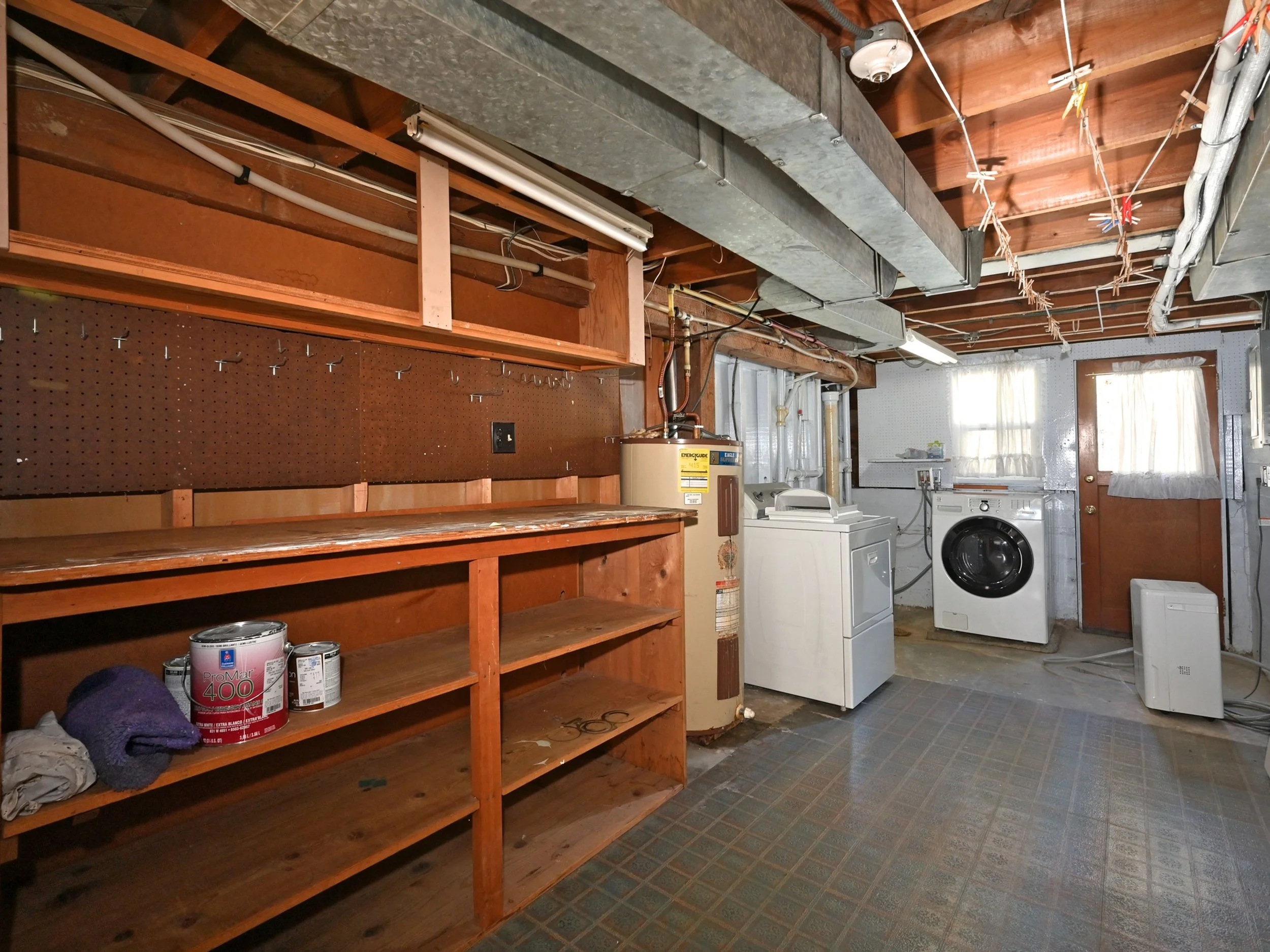
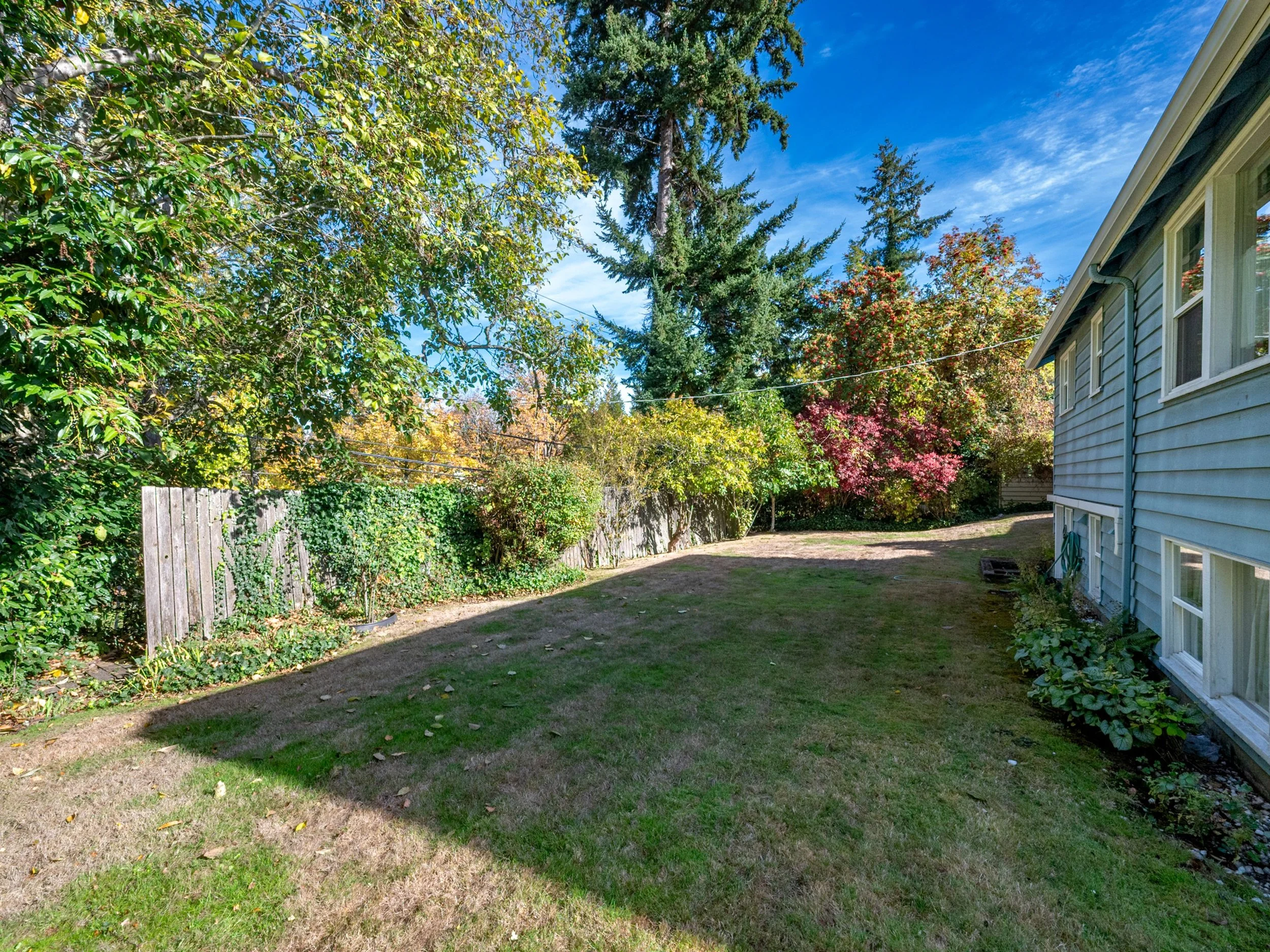
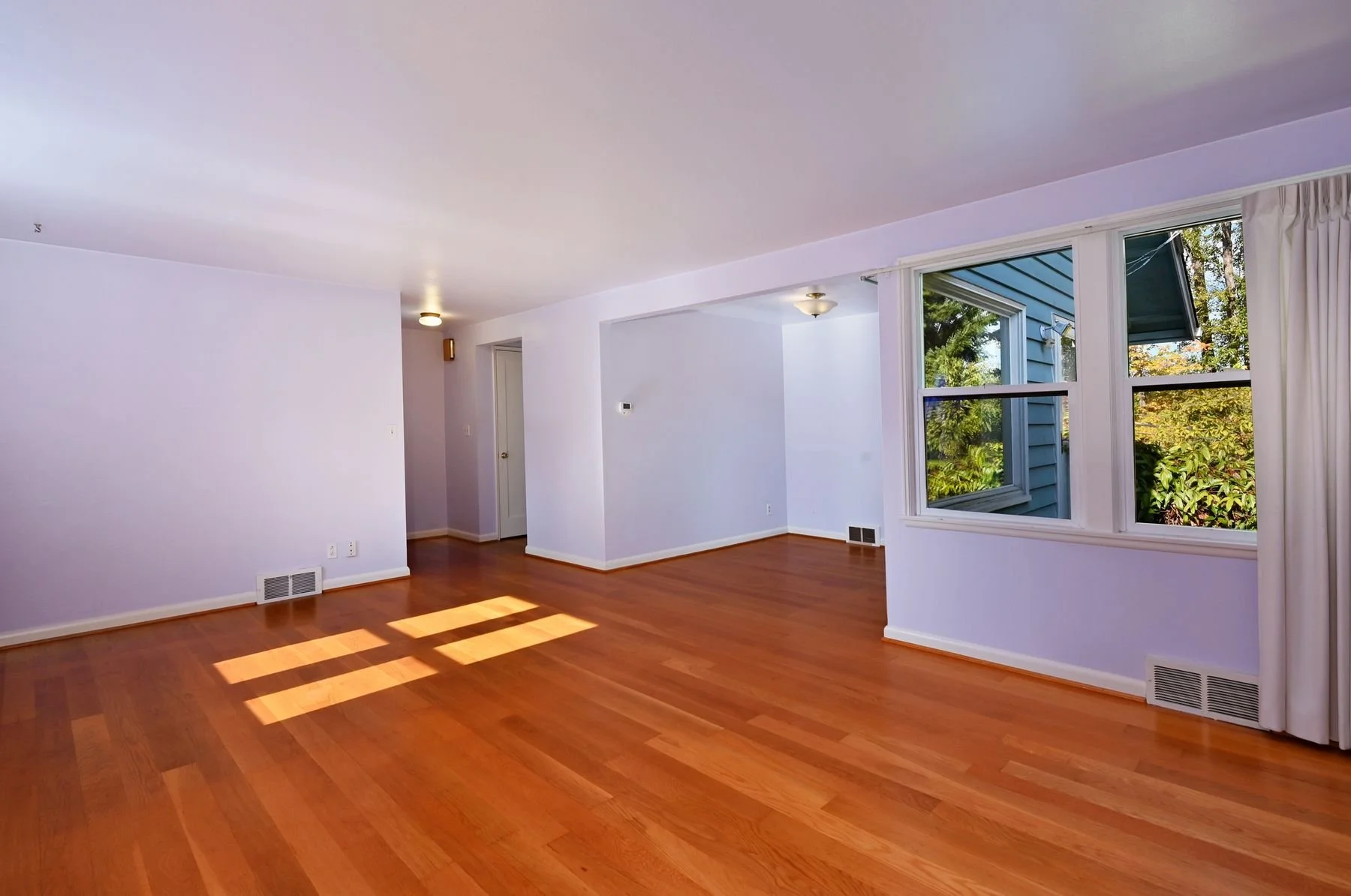
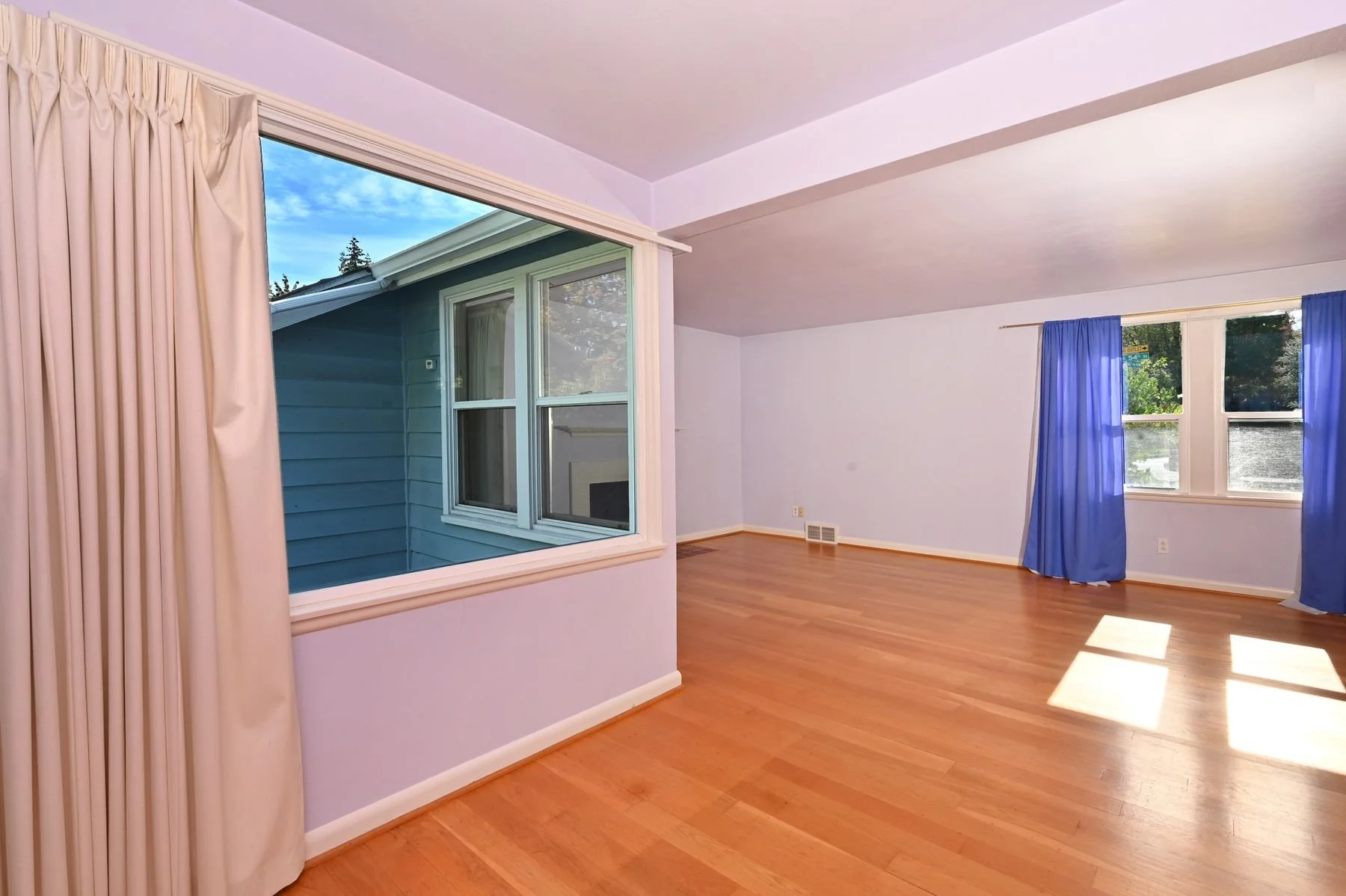
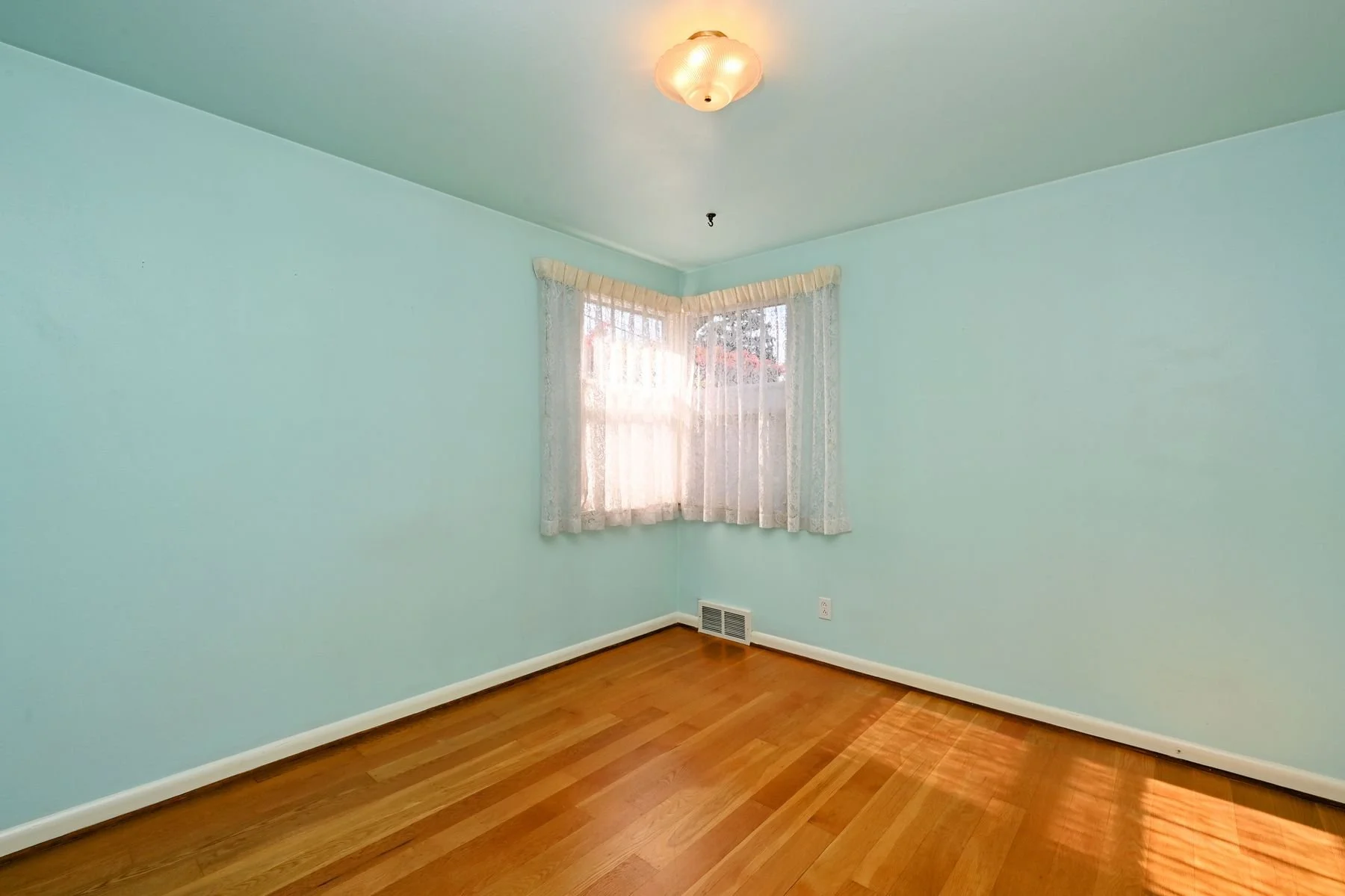
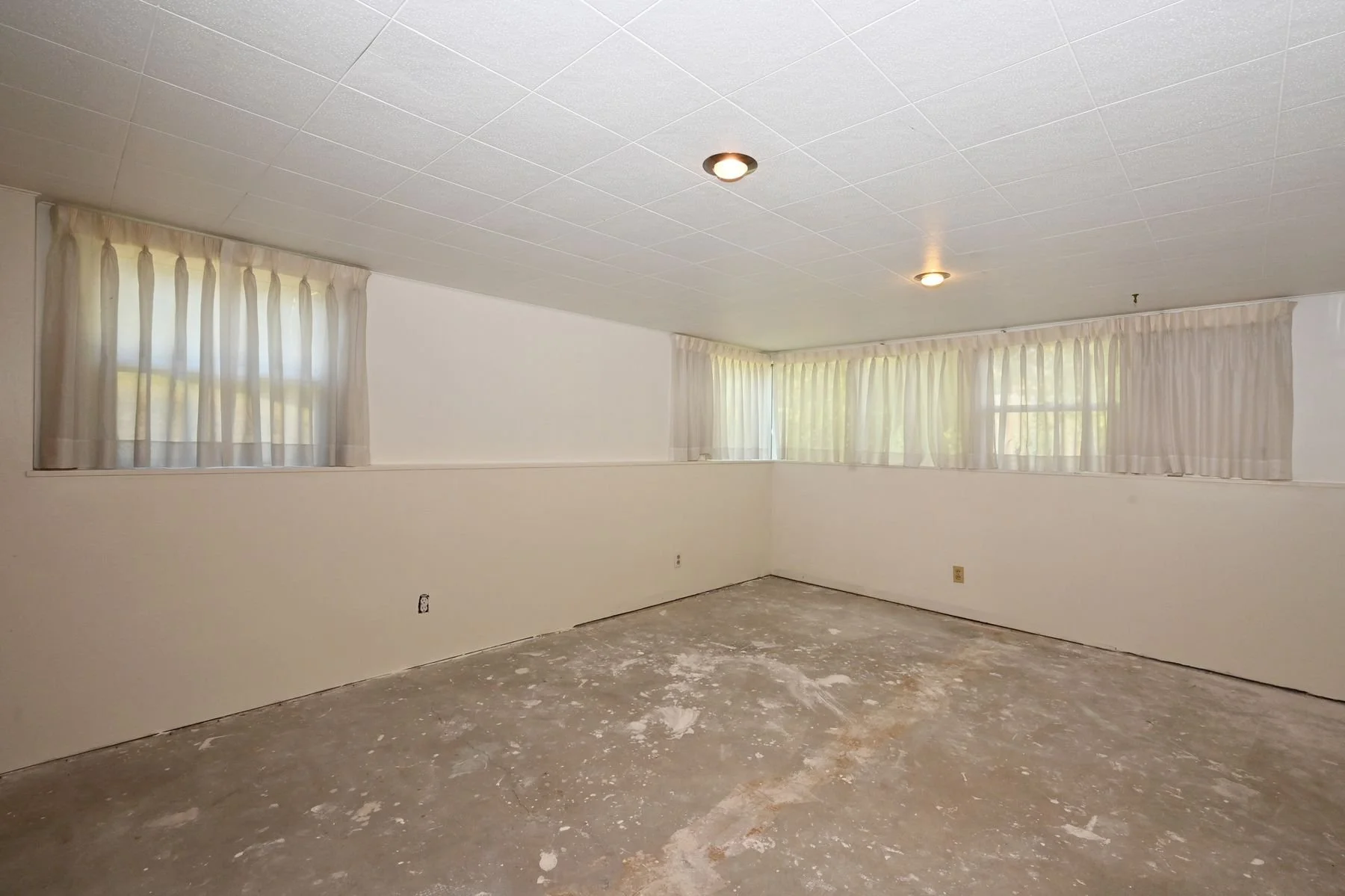
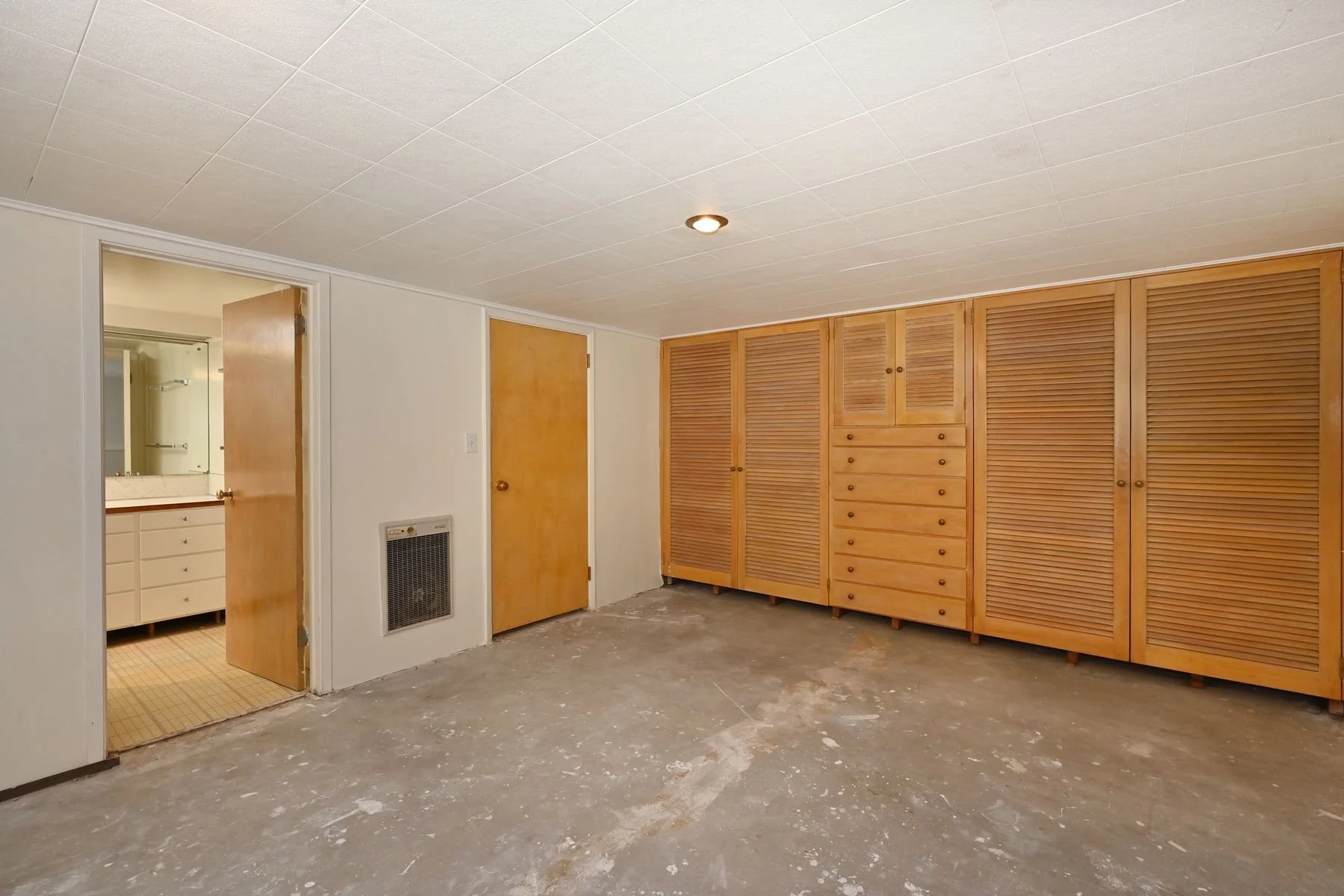
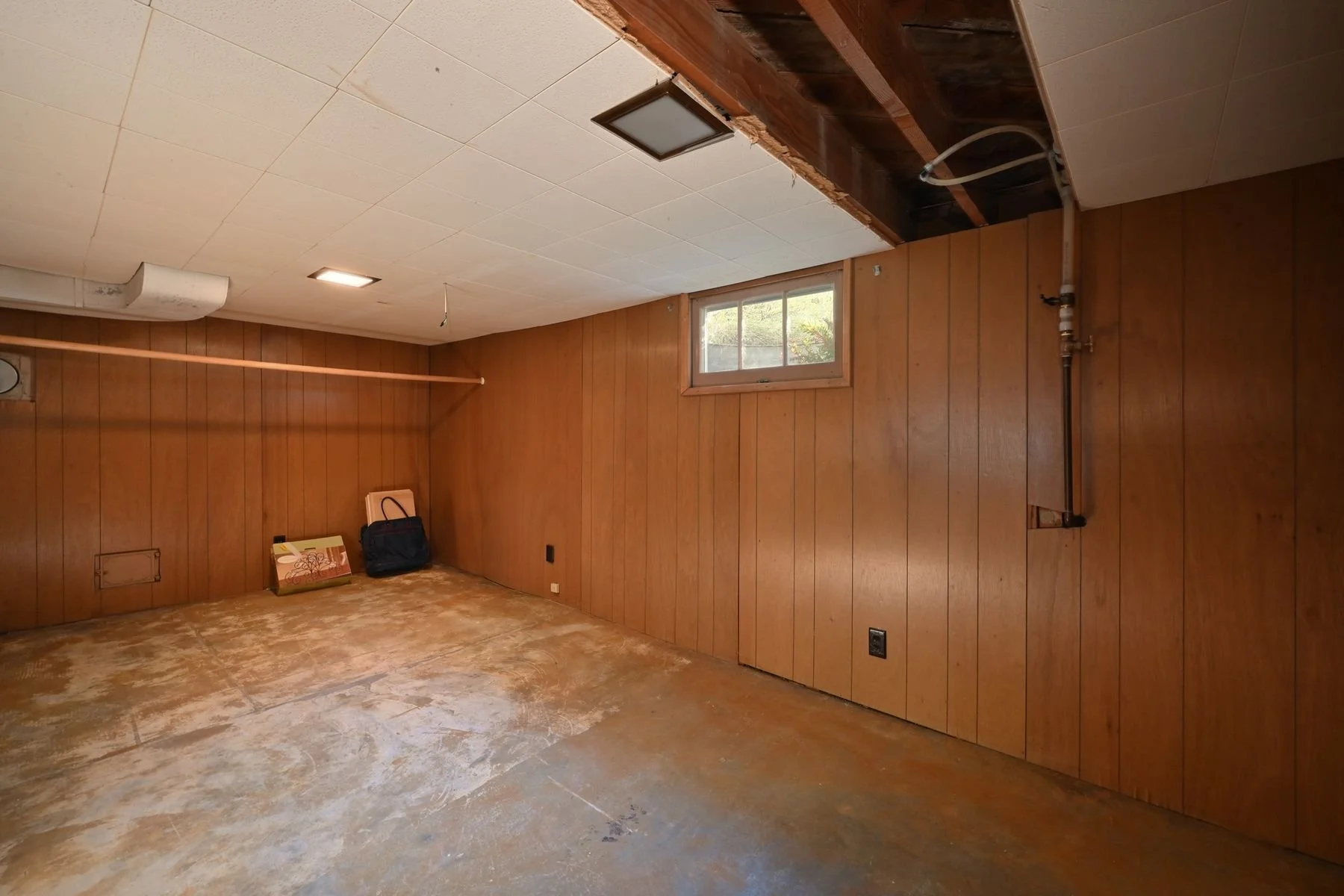
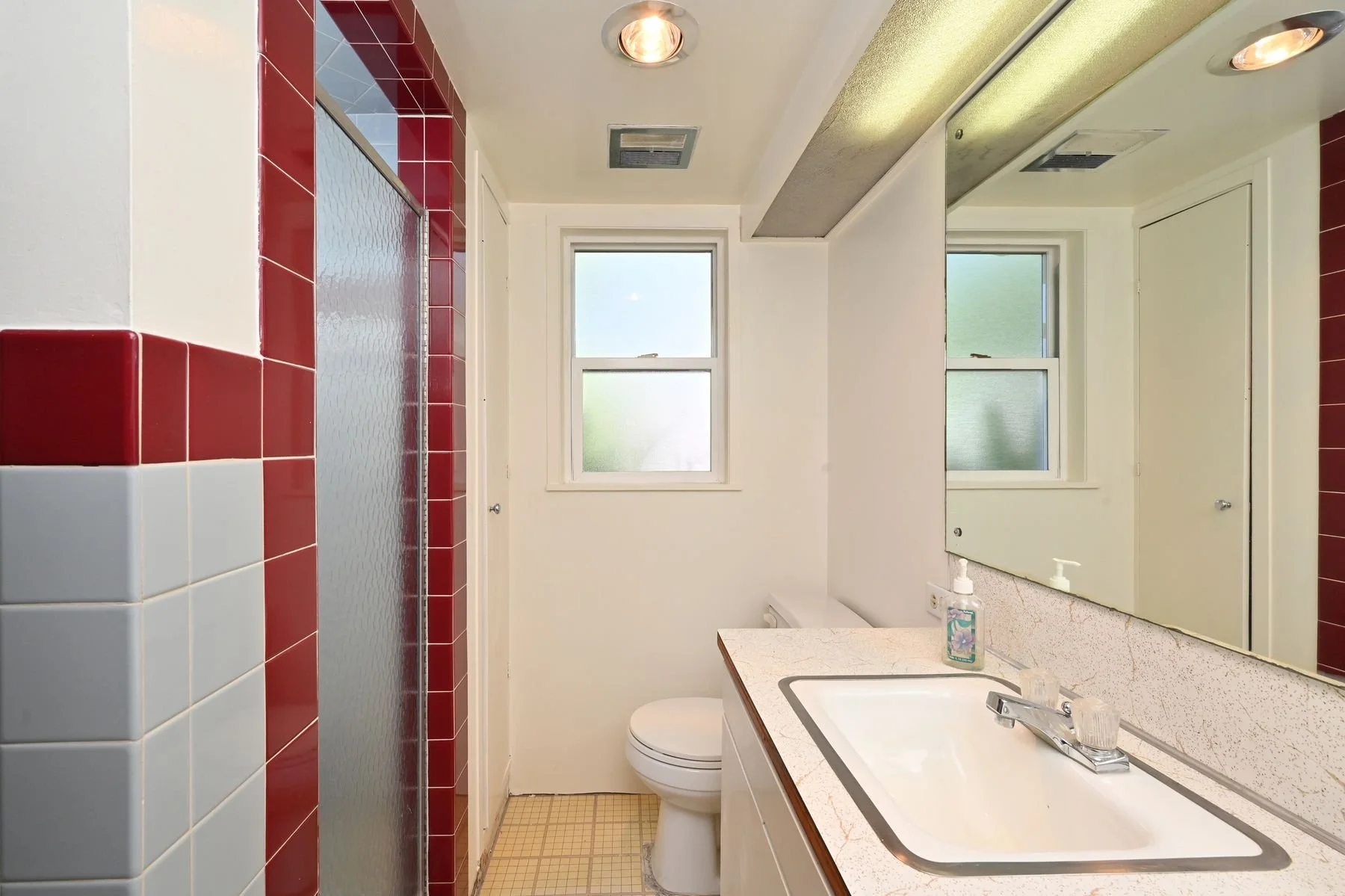
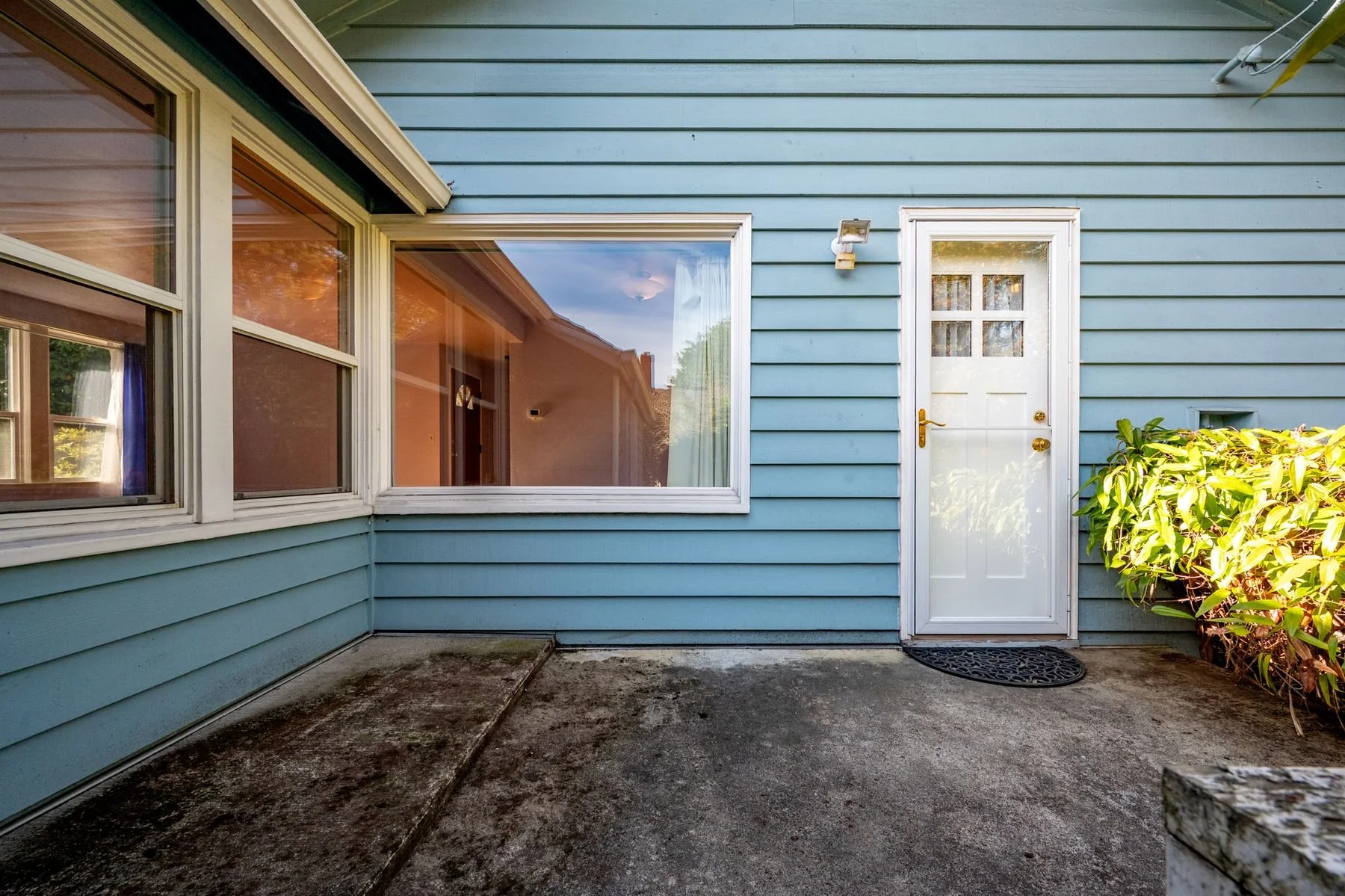
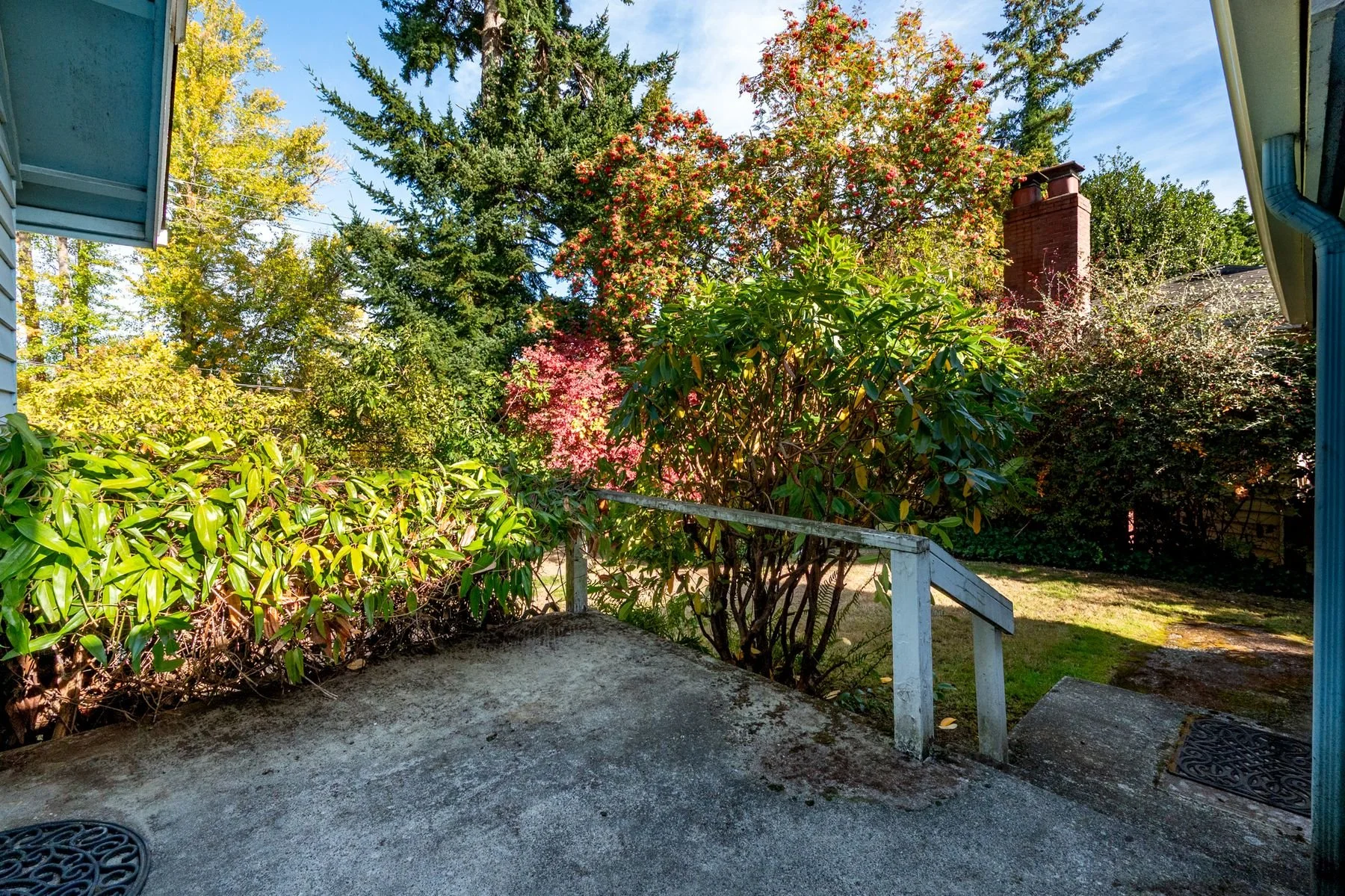
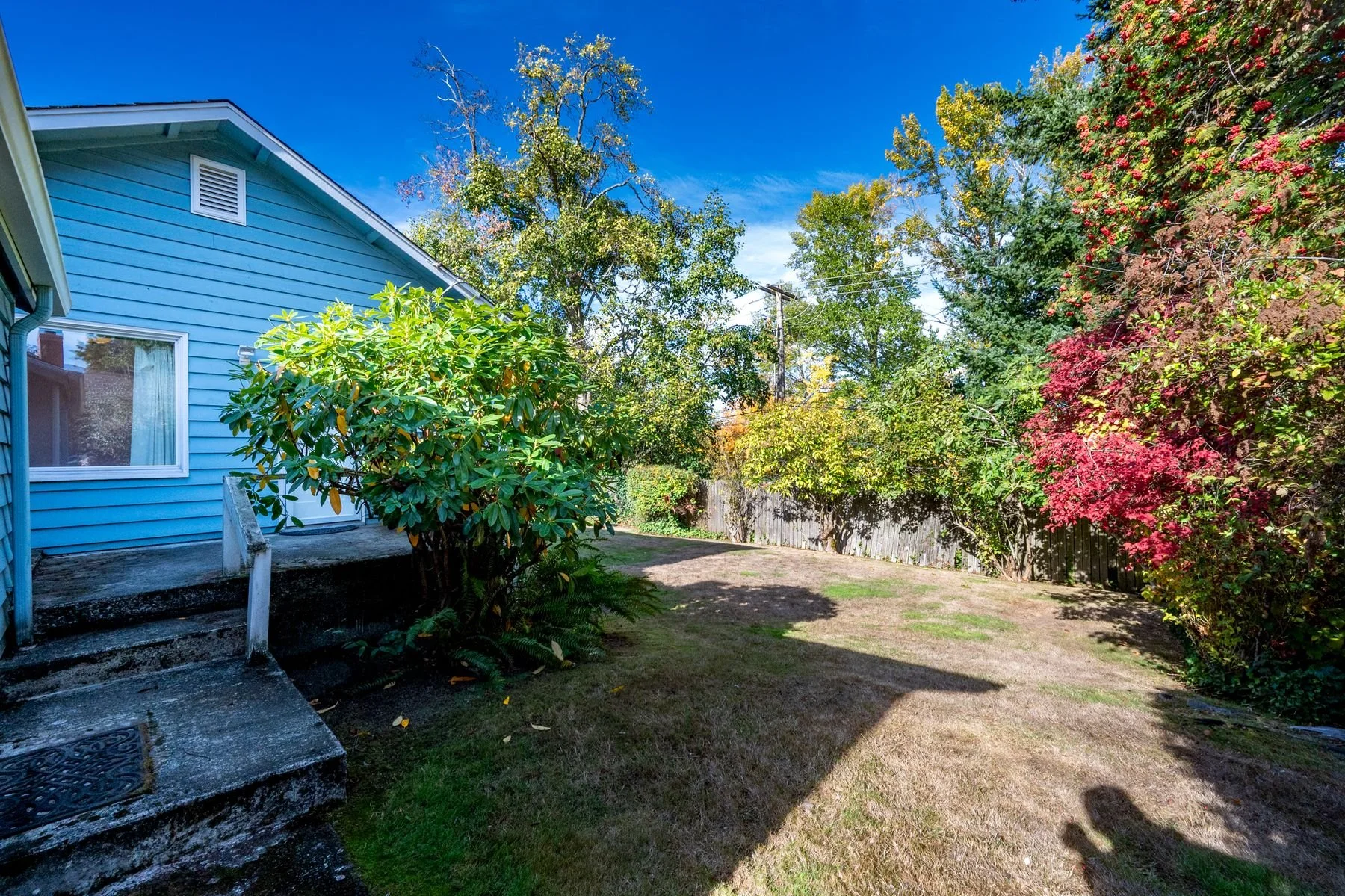
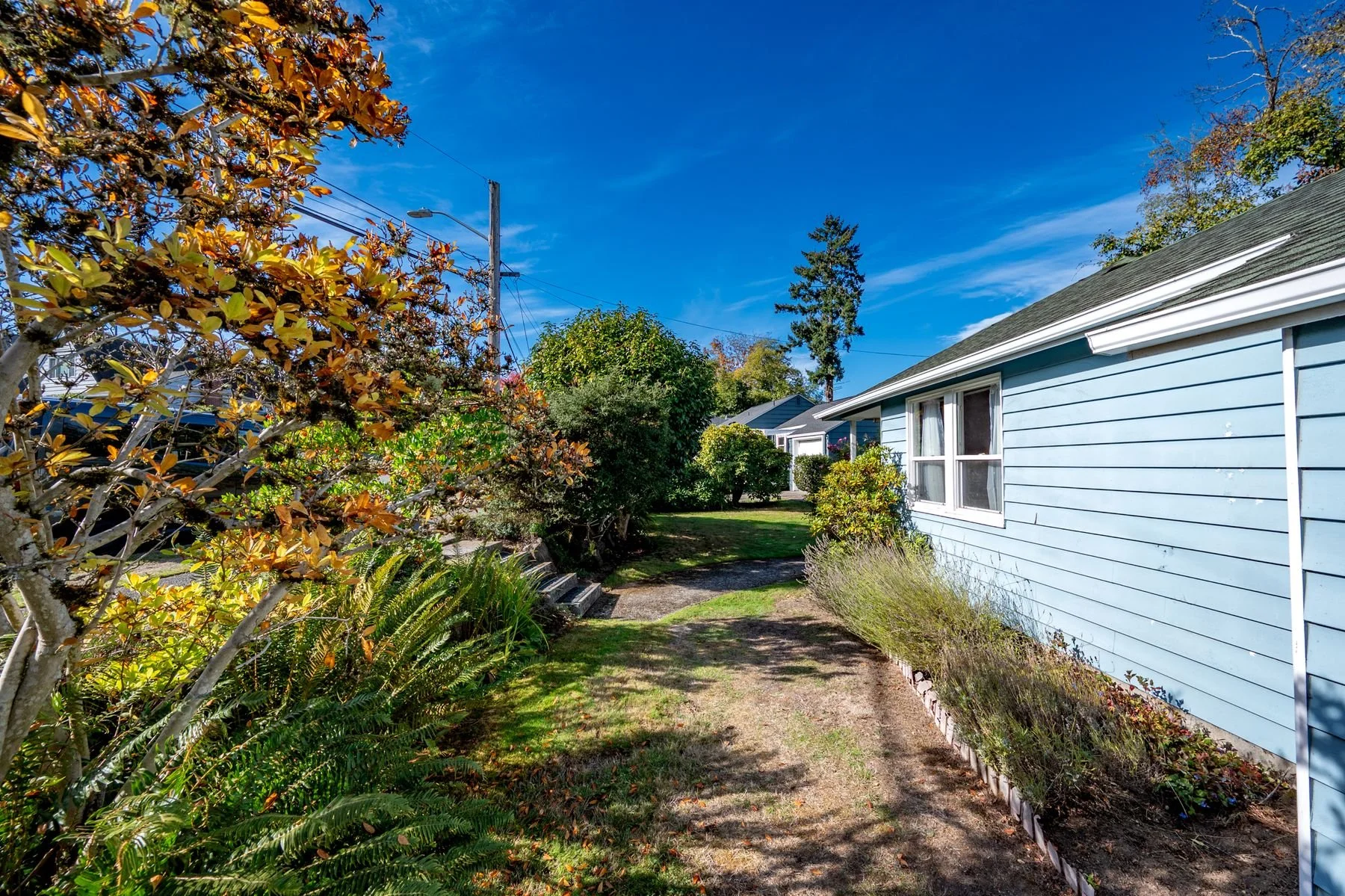
The 3-bedroom, 1.75-bath Laurelhurst home offered 1,860 square feet, hardwood floors, large picture windows, an attached garage, a basement with standard ceiling height and a fireplace, and a generous 7,000-square-foot lot. Its location was another major selling point, just two blocks from Laurelhurst Elementary and Park and close to UW, Seattle Children’s Hospital, University Village, the Burke-Gilman Trail, shops, and dining.
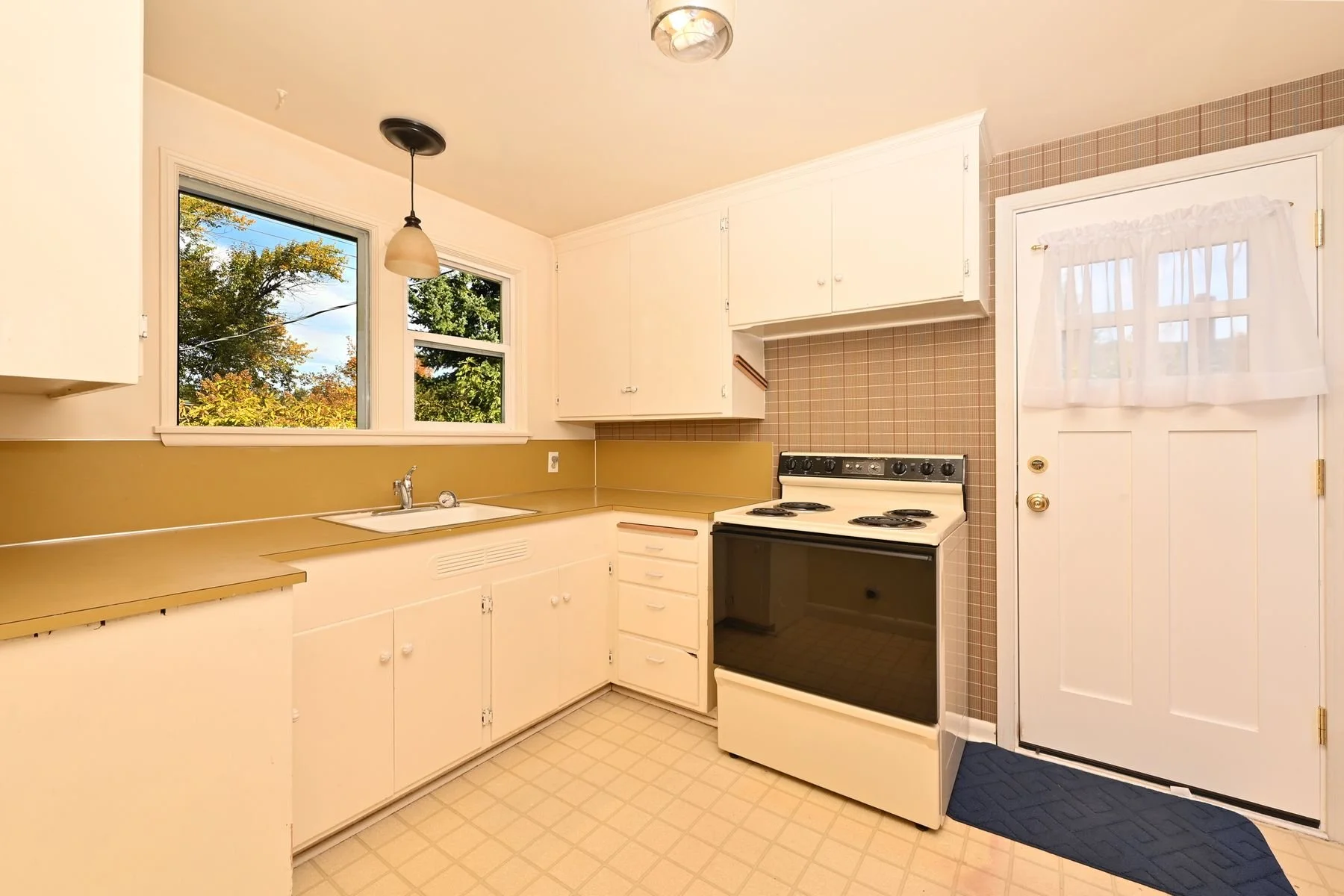
It also needed work and was being sold as-is.
For us, the pricing question became: What is this home worth today to the buyer most likely to act?
That meant looking well beyond a simple price-per-square-foot calculation.
First, We Thought Like the Buyer
Before recommending a list price, we looked at the property through several different lenses:
An owner-occupant might see the hardwood floors, lot size, location, and existing character and start imagining what the home could become.
An investor would immediately start doing math.
A builder would be evaluating the land, acquisition cost, construction costs, financing, and eventual resale potential.
Each of those buyers could be interested in the property, but each would arrive at value differently. Understanding those differences helped us determine where the strongest part of the market was likely to be.
We Modeled the Investment Scenario
One exercise was to look at the house as a potential rental.
Based on its condition, we estimated that someone trying to prepare it for the rental market could easily spend around $50,000 before accounting for any larger issues discovered along the way. That rough budget included new appliances, including the water heater and washer/dryer, kitchen cleanup, flooring work, interior paint, a perimeter drainage system, and a contingency allowance.
At an estimated rent of roughly $3,500 per month, the financing became important very quickly.
A buyer borrowing around $600,000 could be looking at a monthly loan payment of approximately $4,200 under the assumptions we were using. Even reducing the loan to around $400,000 still put the estimated payment around $2,800 per month before property taxes, repairs and maintenance, and landscaping.
We also estimated approximately $9,000 annually for basic landscaping, repairs and maintenance between tenants, and property taxes.
The takeaway was useful: this was unlikely to be a straightforward cash-flow rental for a highly leveraged buyer. An investor would probably need to bring $350,000–$400,000 to the transaction and have a longer-term reason for owning the property.
That helped define the upper end of what an investment-minded buyer was likely to pay.
Builders Had Their Own Math
We also considered the property from a builder’s perspective.
The 7,000-square-foot Laurelhurst lot was meaningful, but builders have to work backward from an eventual finished value while accounting for acquisition, construction, financing, taxes, carrying costs, and risk.
Using conservative construction assumptions, it became clear that a builder would have to remain disciplined on the purchase price for the project to make sense.
Our analysis suggested that builder interest would likely become strongest somewhere in the $600,000 to $650,000 range, while an individual buyer or investor who saw more value in the existing home might be willing to stretch closer to $700,000 or above.
But that still wasn’t the whole picture.
Then We Looked at What Buyers Could Purchase Instead
Pricing is always relative.
At the time, buyers looking in and around Laurelhurst, Bryant, and nearby northeast Seattle neighborhoods could find smaller move-in-ready homes and townhomes generally ranging from the mid-$700,000s into the $800,000s.
Recent and active examples included sales and listings around $765,000, $788,000, $792,000, $794,500, $825,000, and higher.
That mattered.
If we pushed the price of 4528 NE 54th Street too close to the cost of a home that had already been updated, buyers would understandably start comparing the work required here with the convenience of simply buying something finished.
At the same time, pricing it solely for builders could leave significant value on the table for our seller.
We wanted to occupy the space between those two worlds.
Why We Chose Our List Price
We listed the home at $749,000.
That price acknowledged the work ahead while giving buyers a compelling opportunity to enter Laurelhurst on a 7,000-square-foot lot and create something personal.
It also made the comparison clear.
A buyer could spend more for a smaller home or townhome in better condition, or they could consider a property with an existing house, a substantial lot, and room to make their own decisions about what came next.
That distinction was important.
We weren’t trying to convince buyers that condition didn’t matter. We were making sure the price reflected it accurately enough that buyers could focus on the opportunity instead of immediately questioning the value.
They responded.
Listed on October 21, 2026.
Pending on October 23, 2026.
Sold on November 19, 2026 for $750,000.
Two days on the market, and ultimately a sale just above the asking price.
Fast Does Not Mean Accidental
When a home goes pending in two days, it can be tempting to reduce the story to strong demand.
Demand certainly matters, but buyers still have choices.
The result at 4528 NE 54th Street came from understanding which buyers were most likely to see value in the property, thinking through their economics before the home reached the market, studying the alternatives available to them, and selecting a price that made the opportunity easy to understand.
Had we priced substantially higher, we might have spent weeks waiting for the market to reach the same conclusion we had already reached.
Had we priced only for builders, we might not have fully captured what the location, existing home, and lot were worth to another type of buyer.
The goal was to create a price that felt compelling without leaving our seller’s equity behind.
The market confirmed it quickly.
What Sellers Can Take From This Sale
Every property has a different audience.
Sometimes the strongest selling points are a remodeled kitchen and flawless finishes. Sometimes they’re the land, location, architecture, or possibilities a buyer can see beyond the current condition.
Our job is to understand which story the market is most likely to respond to and build the strategy around it.
For sellers, that means pricing cannot happen in a vacuum. The right number should account for condition, competing inventory, financing realities, renovation costs, buyer psychology, and the alternatives someone sees when they open their search.
For buyers, it is a reminder that value can show up in different forms. A home that requires work may offer something a turnkey property cannot: the ability to shape it around your own priorities, particularly when the location and underlying property are difficult to replicate.
At 4528 NE 54th Street, the next owner saw that possibility.
And after two days on the market, our seller had their answer.
Considering selling a home in Laurelhurst or elsewhere in Seattle? Reach out to us. We’re always happy to talk through the numbers, the market, and the strategy that makes the most sense for your property.