

Green Home Spotlight: Sustainability Without Sacrifice in Columbia City
We see a lot of homes every year. Some are beautifully staged. Some are newly renovated. Some have “green features.”
Every so often, we walk into a home like 5537 32nd Avenue S in Seattle’s Columbia City neighborhood, and immediately know it’s different, and that it truly lives up to its framing as an eco-conscious build.
This was the contractor-owner’s dream residence, built for longevity, not for resale. Yet because of a significant life transition, it was ready for its next chapter. Now, as brokers who have sold hundreds of homes across Seattle, we can tell you: when someone builds for themselves, it shows. And, here, it shone bright.
The Real Kind of “Green”
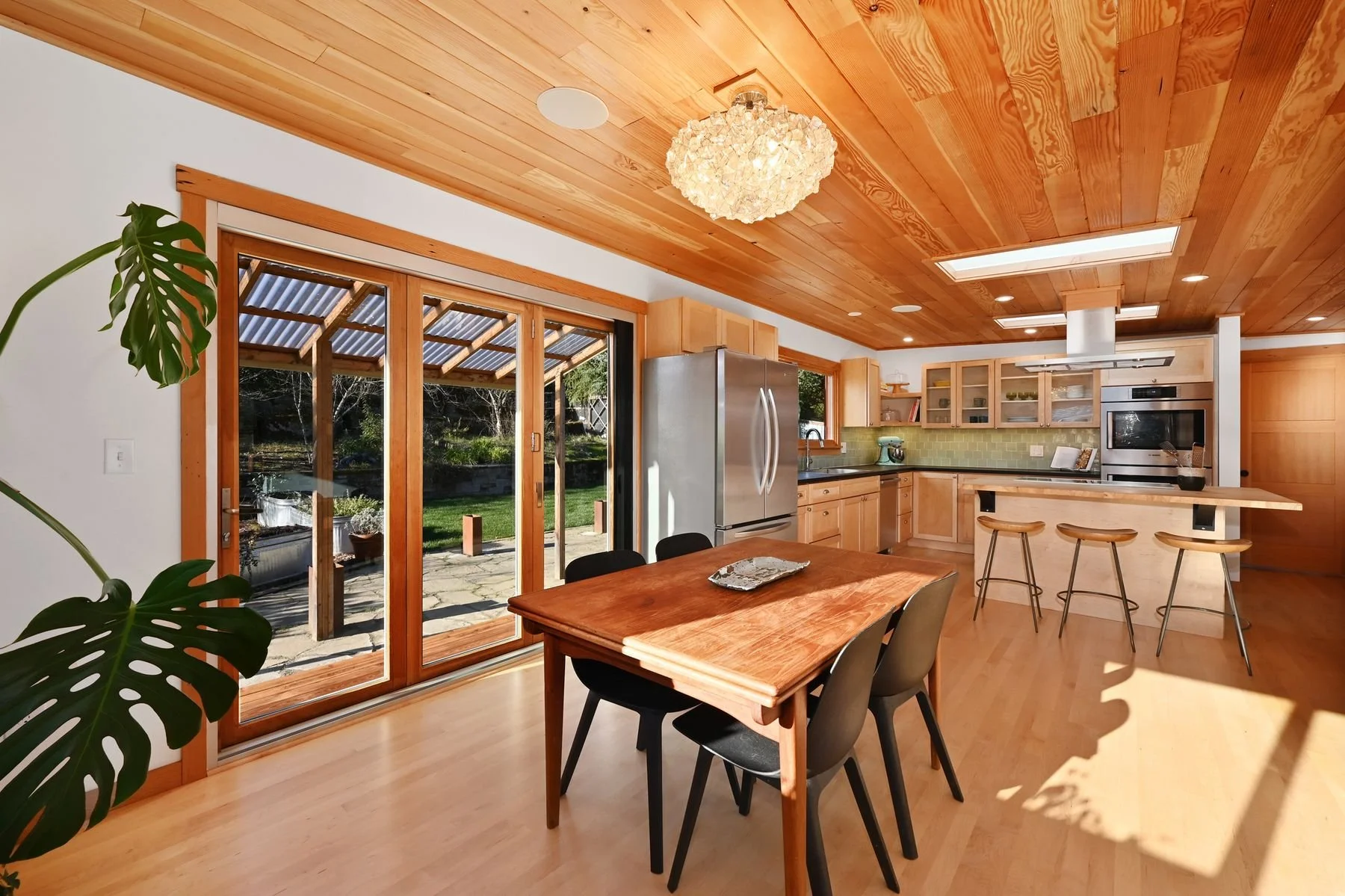
When it comes to green homes, we see a lot of variation. In Columbia City and the surrounding South Seattle neighborhoods, we regularly encounter homes marketed as “energy efficient.” Often, that means newer windows or an upgraded furnace. All good things, but not at the level of comprehensive integration represented by this particular home. Here, we found real substance, a truly performance-driven green home.
Here’s what that actually means:
Solar panels designed to significantly reduce energy costs
A ductless mini-split system for efficient heating and cooling
Infrared radiant ceiling panels in the lower-level bedrooms
Heated tile floors in both bathrooms (because sustainability and comfort can coexist!)
TPO roofing that reflects heat and helps reduce cooling costs
A dedicated 50-amp Level 2 EV charger (not a trickle charger, the real deal)
It’s rare to find solar, EV infrastructure, advanced roofing, and thoughtful heating systems all working together in one cohesive design.
And, yes, those upgrades can translate into real monthly savings. Solar offsetting electricity, efficient heating systems reducing energy consumption, a reflective roof lowering cooling costs, efficient water fixtures, and an EV infrastructure already installed … over time, that adds up, especially in a city where utility costs aren’t trending downward.
Built Like a Contractor’s Personal Home (Because It Was)
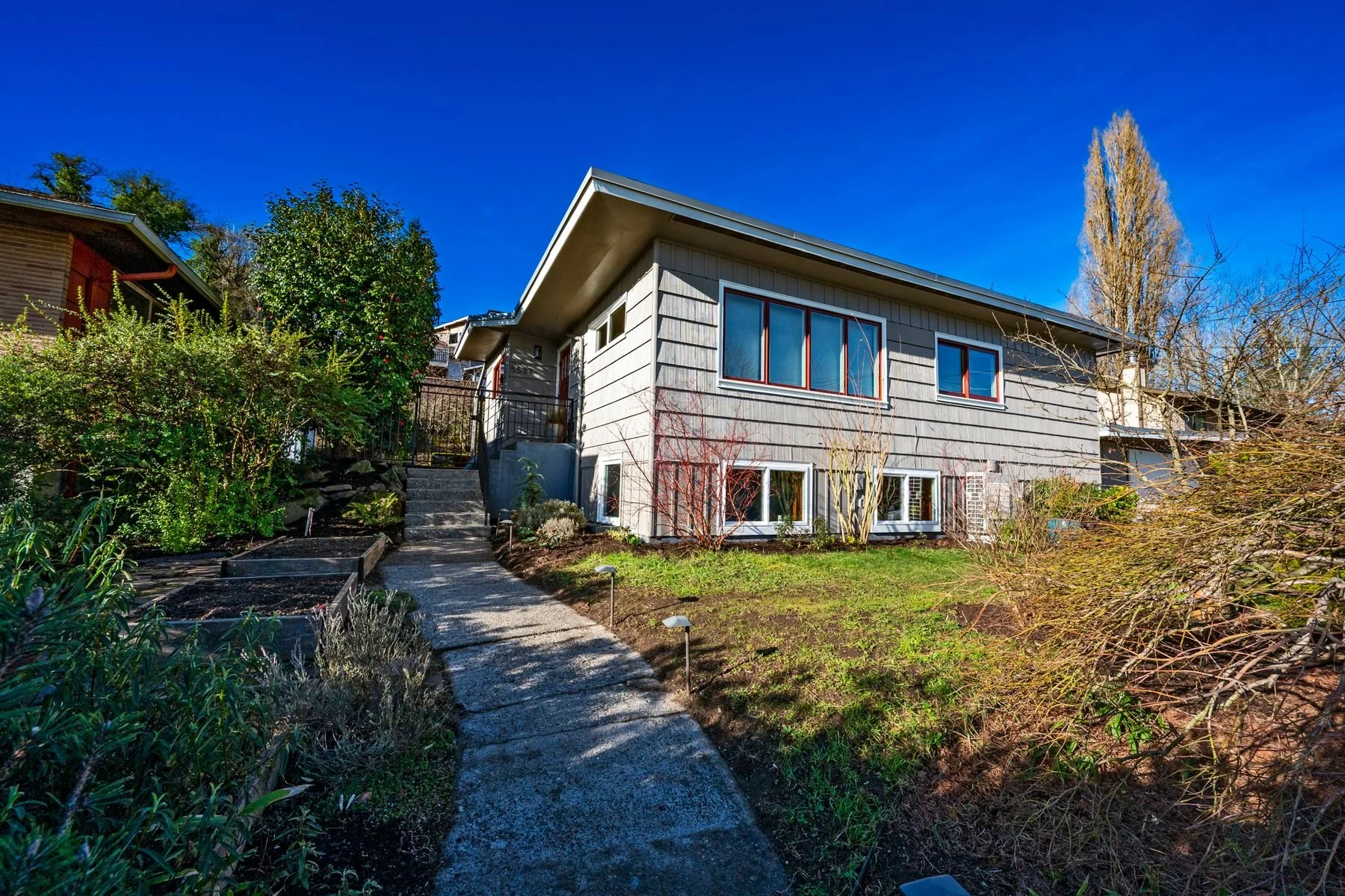
If you’ve ever wondered what a builder prioritizes when they’re not trying to cut costs, this is your answer.
Earthquake retrofitting with enhanced structural engineering
Original 2x8 floor framing for added structural integrity
Foundation walls sealed with moisture-resistant, rubberized paint
Extensive drainage systems to divert water properly
Double gutter runoff design
Soundproofing between floors with upgraded insulation
Homes that are engineered for our climate perform better, age better, and hold value better (not the sexiest of home features, but proactive moisture management in the PNW is smart). These are the kinds of behind-the-walls investments that protect a home for decades. Sure, it’s not integrity you’ll see in a listing description, or even right away when you view the home, but it’s what savvy buyers in our region are looking for, and what we can dig into and ask about for you.
The Craftsmanship Is Real
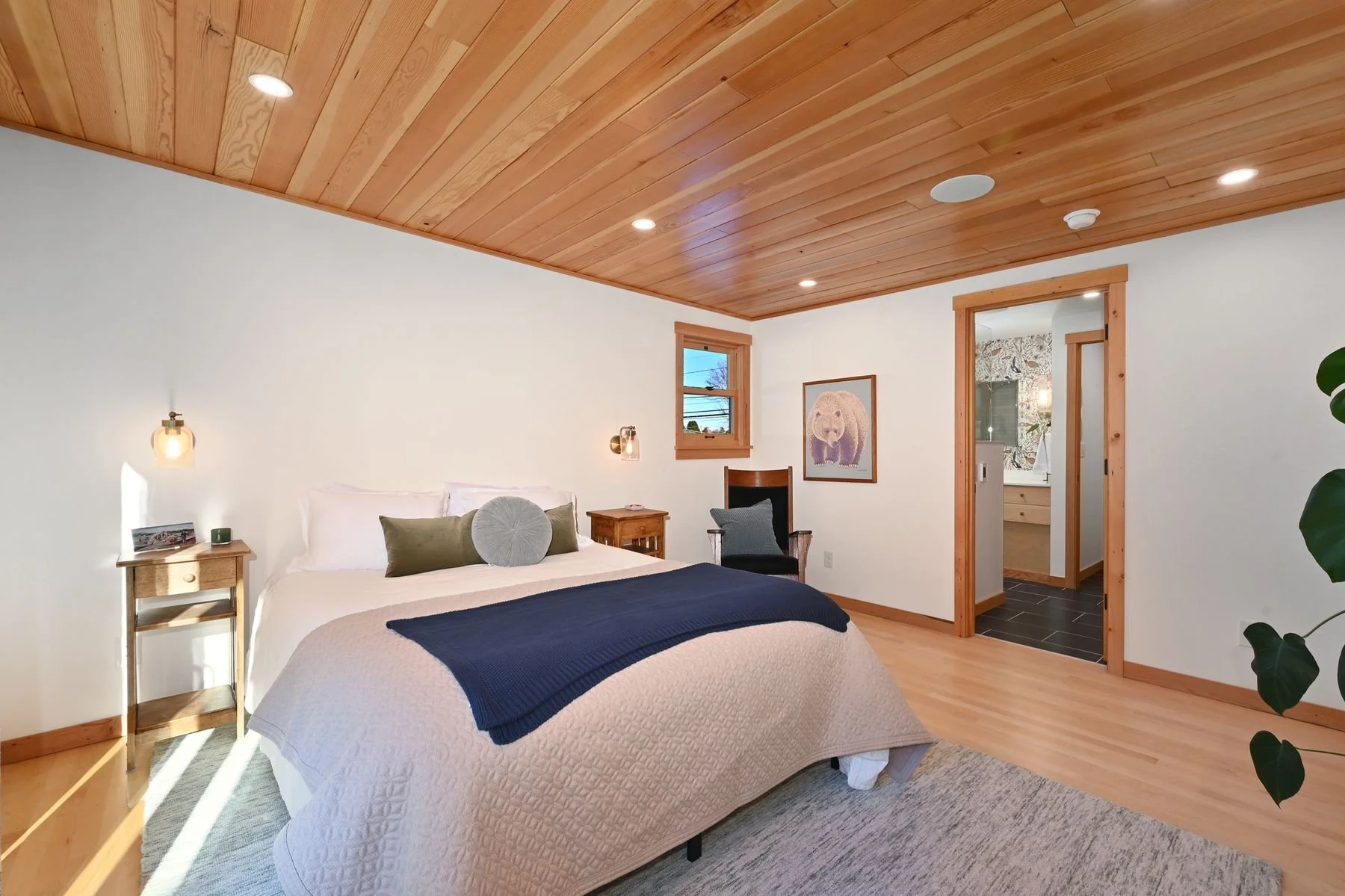
OK, step away from drainage decisions for a moment and move on to the good stuff that you see upon first glance. What makes this home particularly special is that it doesn’t feel utilitarian or overtly “eco.” It feels warm, private, smart, and solid. We were drawn to the intentional feel, nothing trendy or flashy, but thoughtful and crafted to be lived in and enjoyed.
Think tongue-and-groove, wide-plank, reclaimed fir ceilings in the kitchen and bedrooms, sound-insulated floors, custom-milled refurbished maple cabinetry, PaperStone countertops, all-new Bosch kitchen appliances, salvaged architectural details woven throughout, and natural cedar and fir bringing Northwest character into every room.
There’s more: a fully wired carpentry workshop with 240-volt machines and integrated dust collection (great for hobbyist or trade professionals); a heated garage that’s comfortable year-round and ready for potential ADU conversion; and roof reinforcement for a future deck, steel piers for a pergola, and patio conduit for a hot tub. (We love a home that thinks ahead.)
Outdoor Living & Columbia City Community
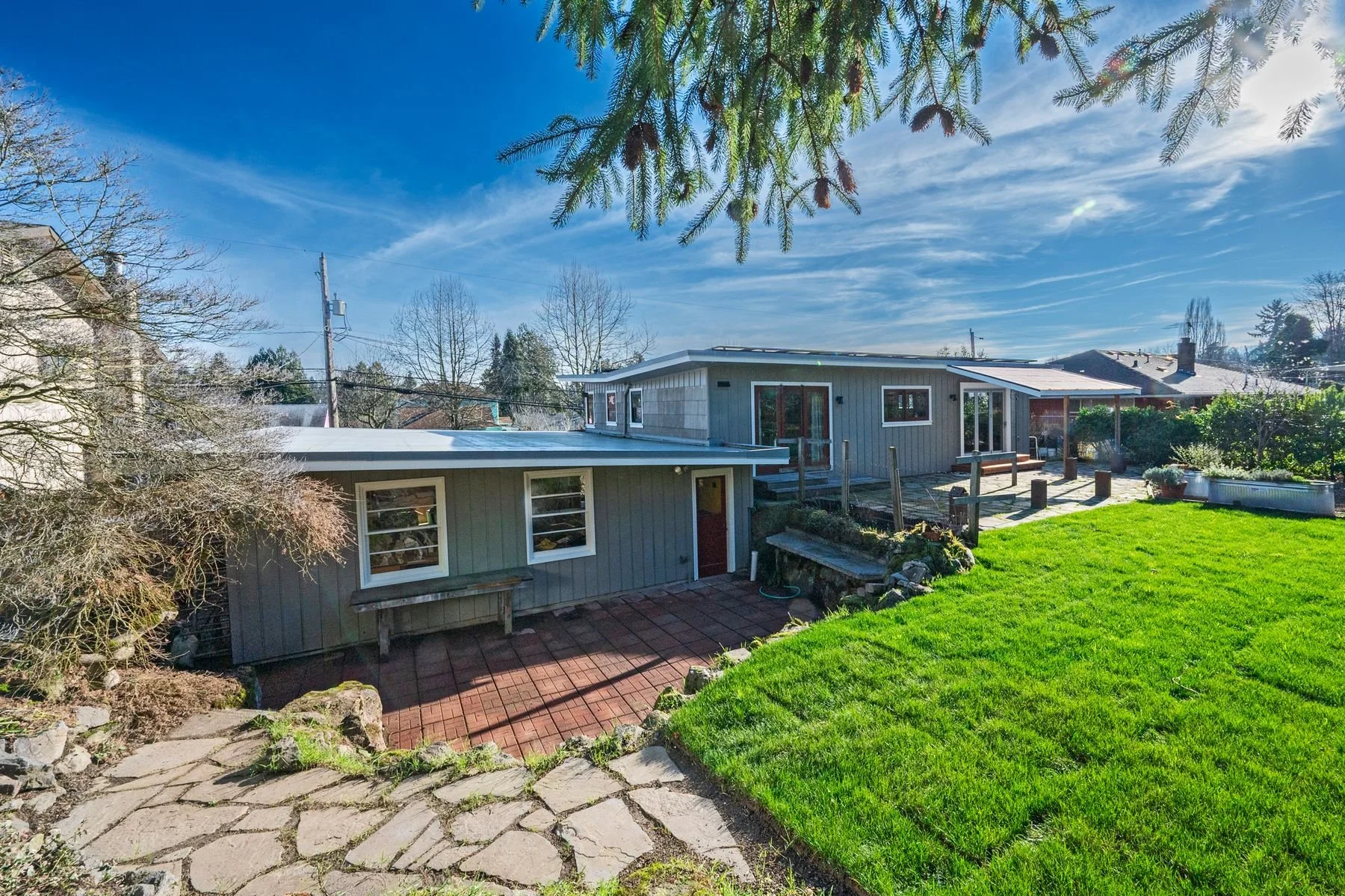
The sustainability features of this home continue outside with fruit trees in both front and back (quince, fig, plum, peaches, grapes, apples — imagine the cooking and canning possibilities!), Northwest landscaping designed for light and longevity; and a retaining wall rock sourced locally and traded for custom cabinet work by a Japanese master cabinet maker. Even the north-side yard fencing was intentional, designed to reflect light and maximize winter daylight.
Did we mention the chicken coop (yes, there is one!), built from recycled materials with an electronic door that automatically opens and closes daily.
And then there’s the neighborhood itself. It’s an urban utopia of block parties, walkable access to Columbia City’s restaurants, coffee shops, and culture, plus light rail convenience.
How This Compares to Other Green Homes Nearby
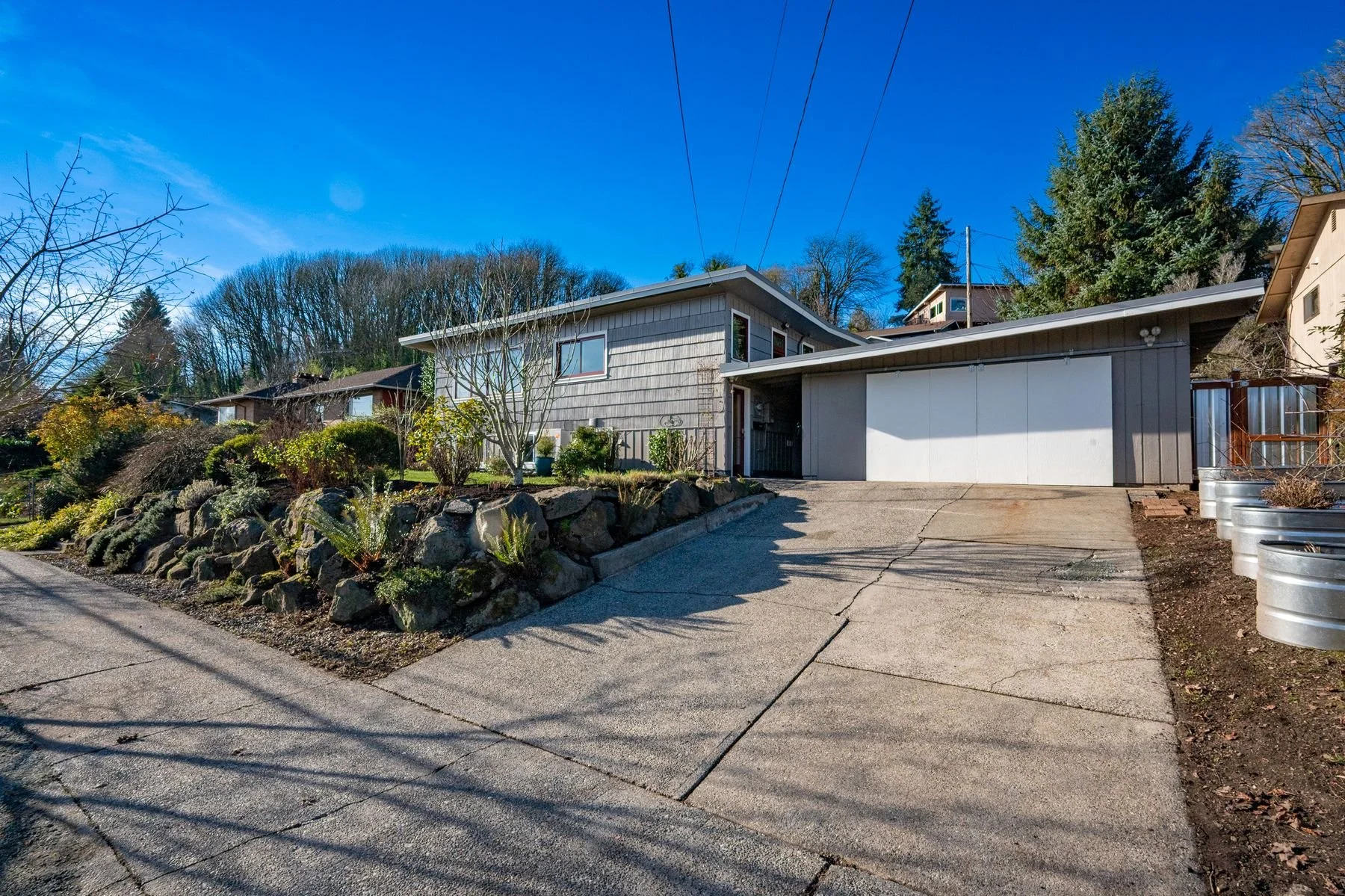
Because we track the data closely, here’s what we’re seeing in nearby. Many homes offer partial sustainability upgrades (solar without EV wiring, efficient systems without structural retrofitting). Few combine structural engineering, energy production, reclaimed materials, and future-ready infrastructure in one cohesive build. And, even fewer were built as a personal residence by a contractor with this level of attention to detail.
Green features are no longer a niche request. We’re seeing this as an increasingly baseline expectation for forward-thinking buyers. This one, so beautifully integrating its sustainability, stands out to us.
Our Take
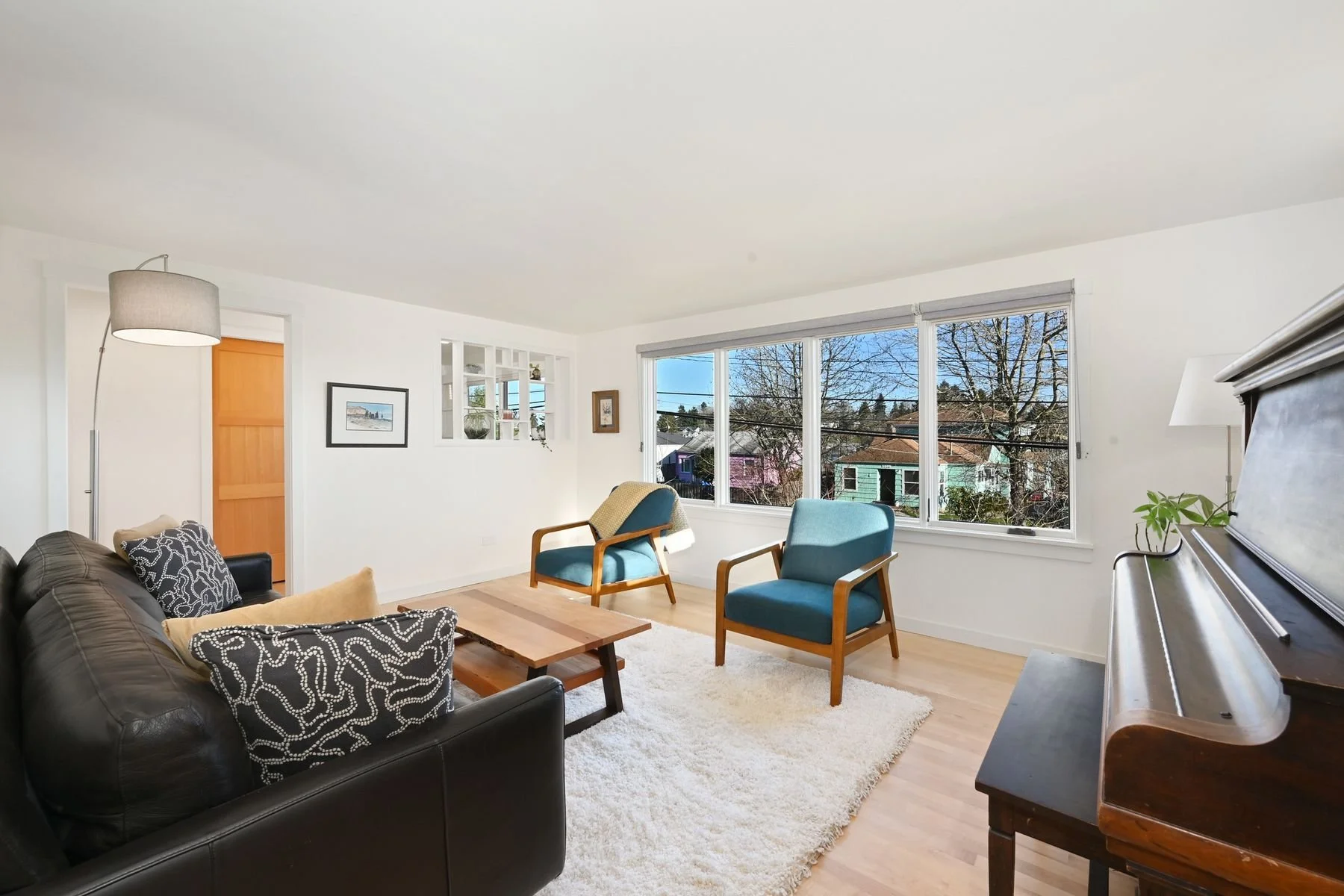
This is a home built with pride and engineered with thoughtfulness and forward thinking. It was ready for its next owner to appreciate those details, both seen and unseen, and we were happy to connect that special person with this property.
If you are looking for your own green home in Seattle, let’s chat. We’d love to help you find the right one.