

The Tale of Two Sales: Same Weekend, Same Result, Very Different Approaches
One of the things we love most about this business is that it constantly reminds us there is no single formula for success. Every house has its own personality, every seller has a different comfort level, and every micro-market shift requires its own strategy. When we launched two very different properties over the same holiday weekend in NE Seattle, that philosophy played out in real time.
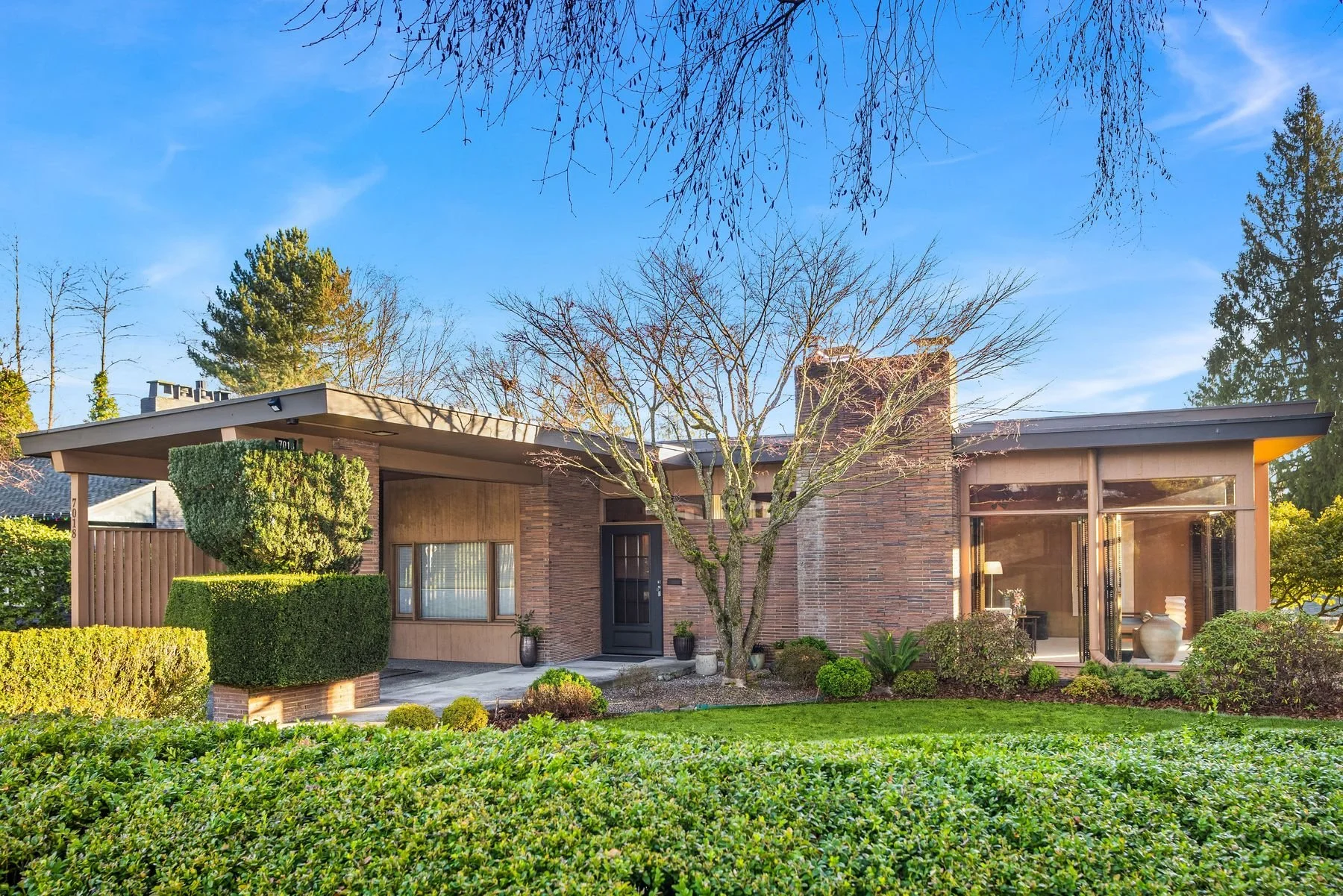
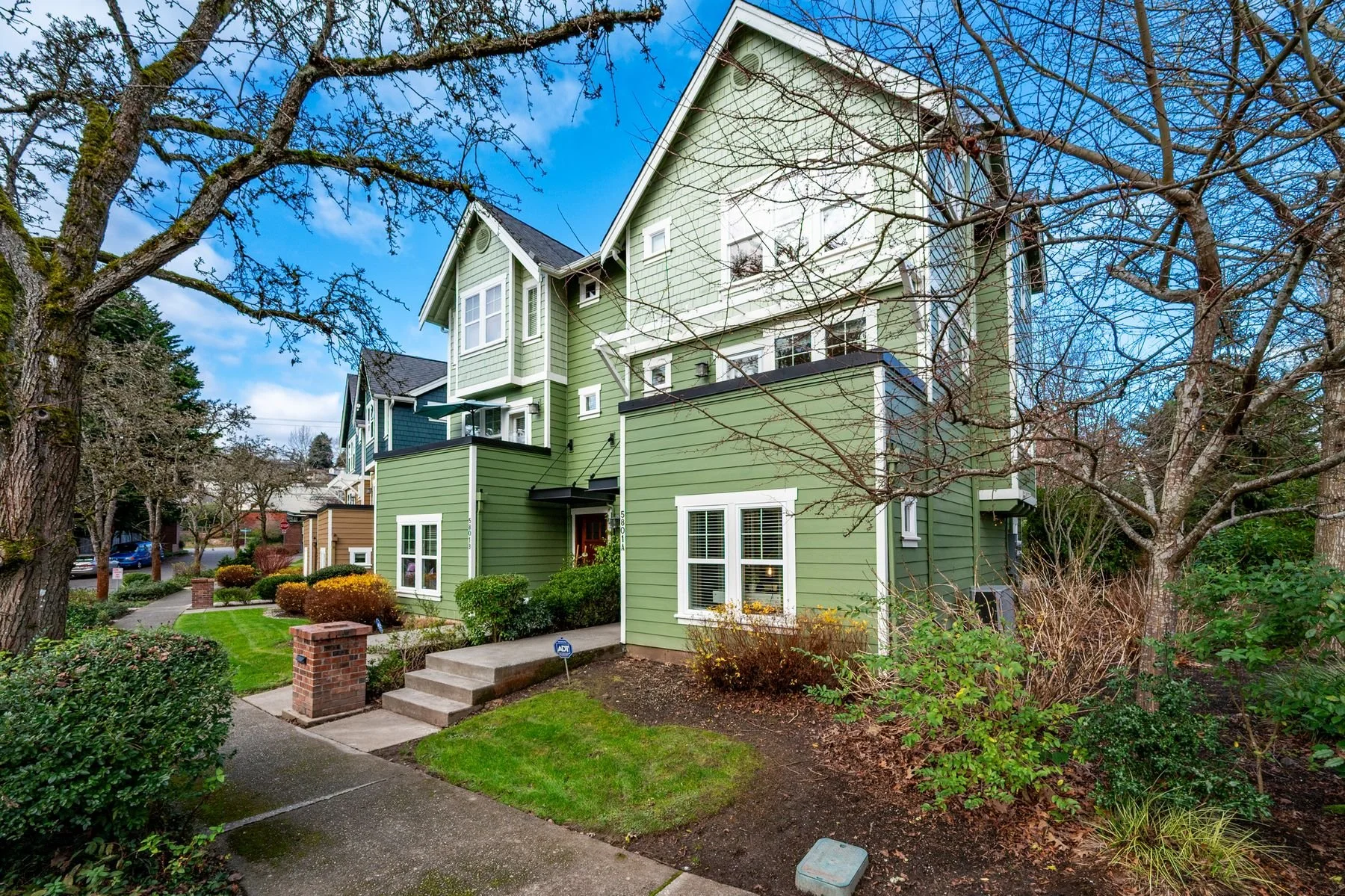
The homes couldn’t have been more different. We were looking at a classic mid-century modern at 7018 32nd Avenue NE and a thoughtfully prepared townhouse at 5801 55th Avenue NE #A. Obviously, these are different product types, with different paths to get them ready for market. And we were dealing with different seller mindsets. The result? Both went pending within 24 hours, both attracted cash buyers, and both closed smoothly.
Proof That You Don’t Always Need to Renovate to Win
Let’s start with the mid-century, a home of undeniable architectural credibility. Clean lines, strong design identity, and a larger-than-typical lot for the neighborhood… all meaningful differentiators. It officially closed mid-February for $1,750,000. The seller was clear from the beginning: no major upgrades, no heavy pre-list prep, no staging overhaul. Would we normally recommend more? Yes. And we said so. But our role isn’t to bulldoze a seller into a plan. We advise thoughtfully and then respect their comfort level.
So, we adjusted the strategy. We walked through the potential upside of improvements, outlined the risks of going to market as-is, and built a pricing approach that honored both the home’s strengths and its untouched condition. We were clear from the get-go. The home had architectural pedigree, strong land value, and a prime location, and we have repeatedly seen buyers in this segment drawn to authenticity, especially when it comes to true mid-century homes. When you combine originality with land and smart positioning, you don’t necessarily need cosmetic updates to compete. The market responded quickly because the value proposition was clean and honest.
Holiday Weekend? Yes — On Purpose!
Now let’s contrast that with the townhouse, which closed in late January. This seller was fully aligned with our recommended preparation strategy, and we treated the listing accordingly. Before we hit the market, we conducted a pre-inspection, managed repairs, installed new carpet, brought in fresh paint, and elevated the staging. Nothing excessive or primarily decorative, all of it a targeted plan to remove buyer hesitation and create momentum on the listing.
Pricing here was particularly strategic. Comps drove everything. We often tell clients that price is one of the last decisions we finalize, sometimes even the day of listing, because we are watching the market in real time. Inventory shifts, buyer activity, interest rate conversations, and even weather patterns can influence timing and positioning. In this case, the goal was very clear: we did not want the home to sit. There was a similar townhome on the same street with a better layout, beautiful staging, and great condition that had been on the market for six months without selling. That reinforced our belief that the condition alone does not guarantee results. Smart strategy does.
We listed the townhouse for around $739,000. It sold for $830,000, closed in about two weeks, and the buyer paid cash. That cash component is worth highlighting. In this NE Seattle segment, many buyers have significant liquidity. They are not as rate-sensitive as other price brackets might be. When buyers can move without financing constraints, urgency can return to the market quickly, even over a holiday weekend (which it was).
Speaking of timing, the townhouse was originally scheduled to go live on a Wednesday. We made the call to accelerate and launch on Sunday of the holiday weekend instead. The forecast showed sunny, ideal weather. Fewer competing listings were coming online. We’ve found that holiday weekends can actually create opportunity in low-inventory environments like ours because serious buyers are still looking, and there’s less noise. There is always some element of luck in real estate, but we prefer to think of it as calculated timing.
There Is No One-Size-Fits-All Playbook
When you step back and look at both transactions side by side, the takeaway isn’t that there’s a magic launch day or a universal prep checklist. It’s that a customized strategy works. For the mid-century, architectural pedigree, land, and location carried the day, even without updates. For the townhouse, presentation and pricing precision amplified the result and drove strong competition.
Buyers in 2026 are not simply chasing “perfect.” They are chasing confidence, and the feeling that they understand what they are buying and why it makes sense. Sometimes that confidence comes from thoughtful preparation and polish. Other times, it comes from authenticity and inherent architectural strength. Our role is to identify which lever to pull — and when.
Same weekend. Same result. Two very different roads to get there. And honestly, that’s exactly how it should be.